Why Forehead Angry Lines Can Make You Look More Serious Than You Feel
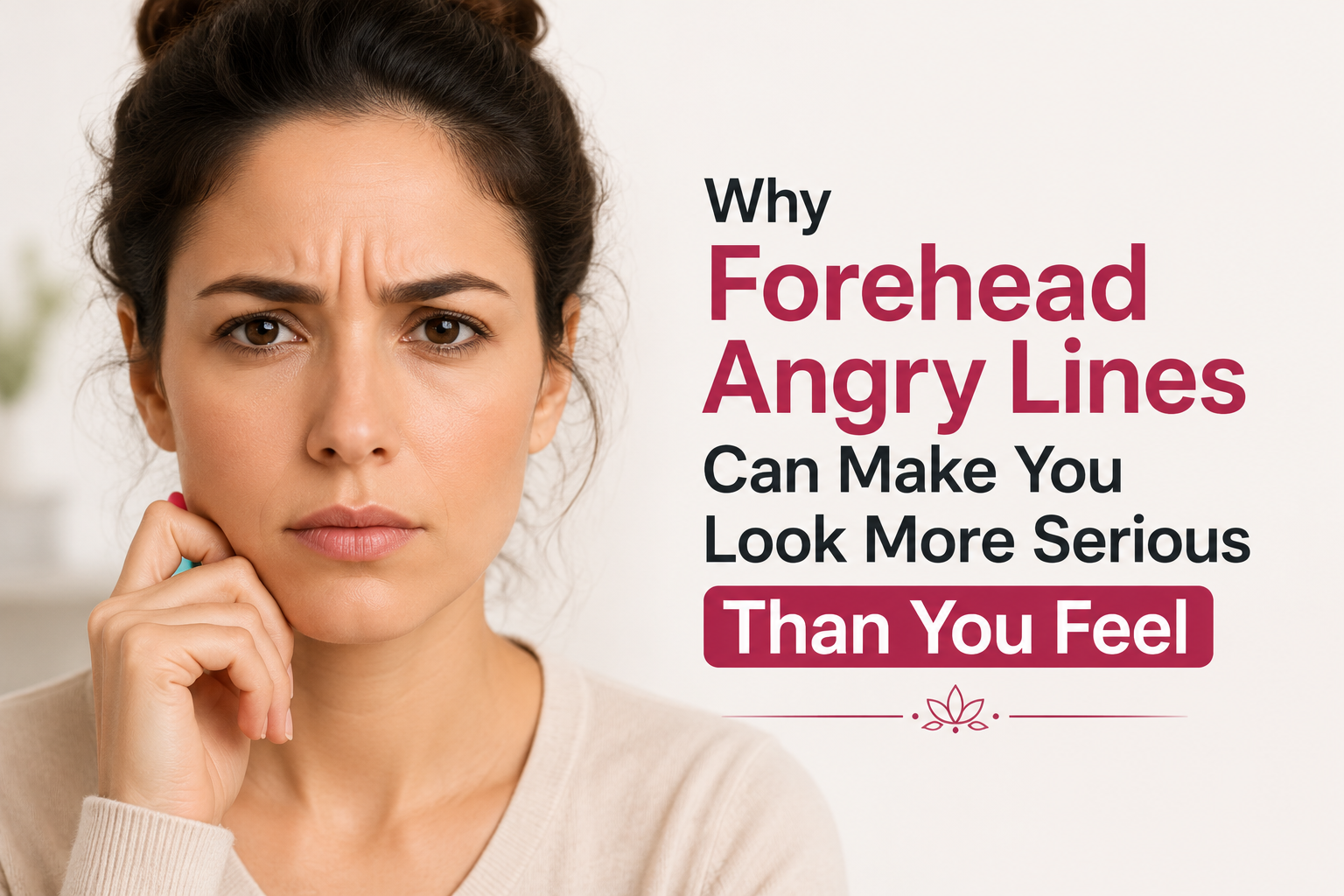
Have you ever looked in the mirror and noticed that your face appears serious, worried, or even slightly angry when you are actually relaxed? The reason may not be your mood at all. Forehead angry lines, particularly the vertical lines between the eyebrows, can influence how your facial expression is perceived.
These lines are commonly known as frown lines, glabellar lines, or “11 lines.” They can become more noticeable because of repeated facial movements, natural ageing, sun exposure, and gradual changes in skin elasticity.
For people considering Forehead Angry Lines Treatment in Surat, understanding why these lines appear and which treatment approach addresses their underlying cause is an important first step.
What Are Forehead Angry Lines?
“Angry lines” is a common term for wrinkles that create a persistent frowning or serious appearance. They are most often seen between the eyebrows and may extend slightly upward toward the forehead.
They can become noticeable when you:
- Frown or concentrate
- Squint frequently
- Read or work for long periods
- Make repeated facial expressions
- Experience strong or frequent eyebrow movement
- Naturally have active brow muscles
Initially, these lines may appear only when you make an expression. With time, repeated muscle contraction and changes in skin quality can cause them to remain visible even when your face is relaxed.
Why Can You Look Angry When You Are Not Angry?
Facial expressions are strongly influenced by the movement of the underlying muscles. When the muscles between the eyebrows contract repeatedly, the skin above them folds.
Over years, this repeated movement can contribute to deeper expression lines.
At the same time, natural ageing can reduce collagen and skin elasticity. As the skin becomes less resilient, it may not return to its previous smooth appearance as easily after repeated facial movement.
This can create a visual pattern like:
Repeated muscle movement → repeated skin folding → gradually more noticeable lines → persistent serious or concerned appearance
The result is that your face may communicate an emotion that does not match how you actually feel.
Are Angry Lines the Same as Frown Lines?
In most cosmetic contexts, the terms are closely related.
Forehead angry lines may refer to visible lines around the upper forehead or, more commonly, the vertical wrinkles between the eyebrows. These central eyebrow lines are called glabellar lines and are also known as:
- Frown lines
- “11 lines”
- Glabellar wrinkles
- Expression lines
- Lines between the eyebrows
The exact location and pattern matter because different forehead wrinkles can involve different muscles and may require different treatment strategies. Elegance Clinic also identifies glabellar frown lines as a specific Botox treatment area.
What Makes Forehead Angry Lines Become More Visible?
1. Repeated Facial Expressions
Every time you frown, concentrate, squint, or pull your eyebrows together, the muscles in the area contract.
Occasional movement is completely normal. However, years of repeated contraction can contribute to expression lines becoming increasingly noticeable.
2. Natural Skin Ageing
As the skin ages, changes in collagen and elasticity can make facial creases more persistent.
This means that a line that once disappeared immediately after relaxing your face may eventually remain visible.
3. Sun Exposure
Cumulative UV exposure can contribute to premature skin ageing and changes in collagen. This can make facial lines more apparent over time.
4. Individual Facial Anatomy
Not everyone develops forehead or glabellar lines in the same way. Muscle strength, eyebrow position, skin characteristics and natural facial structure all influence how these lines appear.
5. Habitual Brow Movement
Some people naturally use their eyebrows more while talking, reading, concentrating or reacting to situations. This can contribute to frequent muscle activity in the area.
Can Botox Help Forehead Angry Lines?
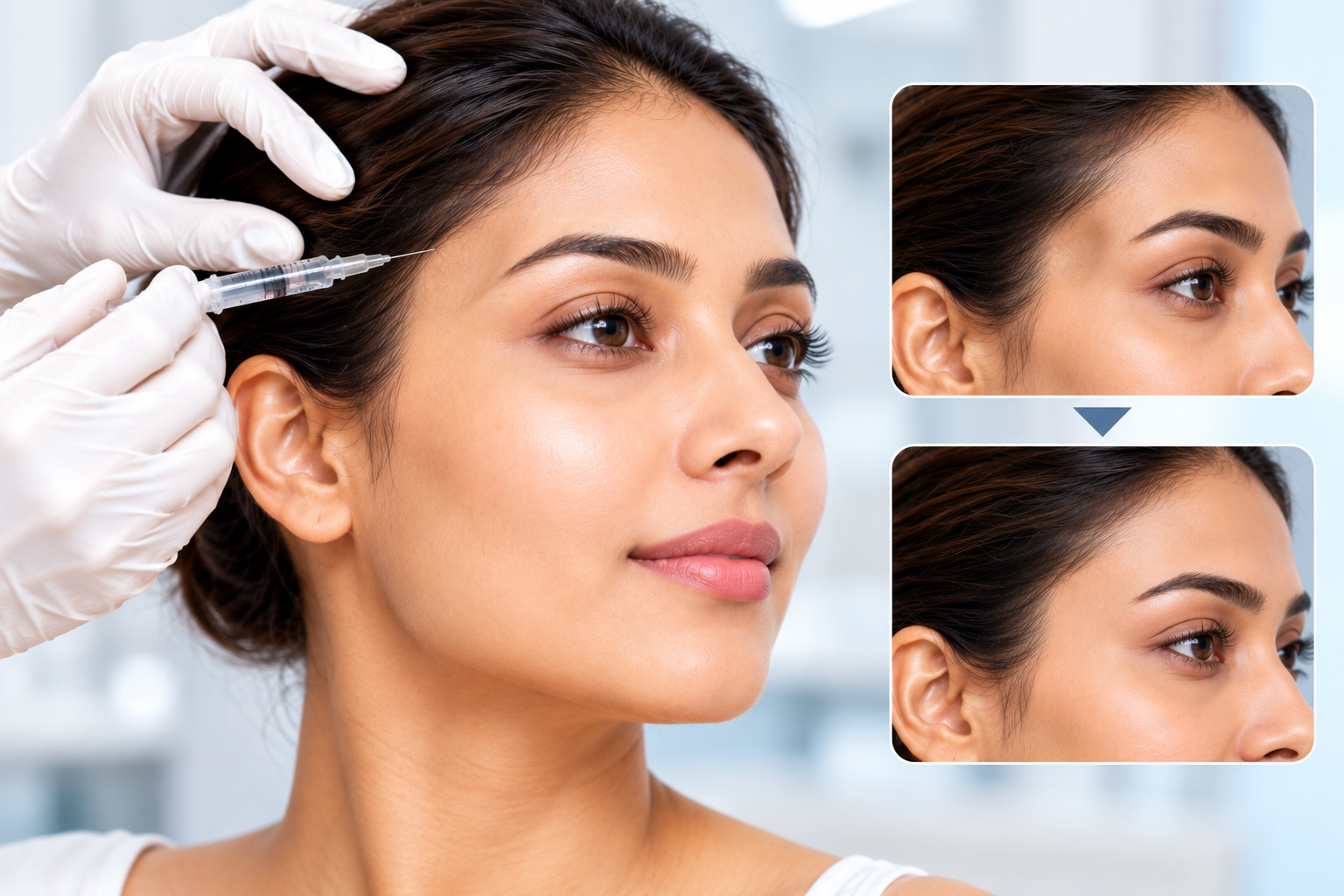
For suitable patients, Botox can help soften dynamic forehead and glabellar lines by temporarily reducing the activity of targeted facial muscles.
Botulinum toxin works by reducing the strength of muscle contractions responsible for repeatedly creasing the skin. As the targeted muscles become less active, the associated expression lines can appear softer.
However, Botox does not mean that every wrinkle will disappear completely.
The expected result depends on factors such as:
- Depth of the lines
- Muscle activity
- Whether the lines are dynamic or static
- Skin elasticity
- Age-related skin changes
- Facial anatomy
- Previous cosmetic treatments
- Individual response to treatment
This distinction is especially important when lines are already deeply etched into relaxed skin.
Dynamic Lines vs. Static Lines: What Is the Difference?
Understanding this difference can make your treatment expectations more realistic.
Dynamic Angry Lines
These mainly become visible when you move your eyebrows or make facial expressions.
Because muscle activity is a major contributor, Botox may be particularly useful for this type of wrinkle.
Static Angry Lines
These remain visible even when your face is completely relaxed.
Botox may still reduce the muscle activity contributing to the lines, but established skin creases may not disappear entirely through muscle relaxation alone.
A professional assessment can determine whether additional skin-focused or aesthetic treatments may be appropriate.
Will Forehead Angry Lines Treatment Make Your Face Look Frozen?
Not necessarily.
The objective of well-planned Botox treatment is not to eliminate every facial movement. Instead, treatment can be designed to reduce excessive muscle activity while preserving an appropriate amount of natural expression.
This is why personalised assessment is important.
At Elegance Clinic, Dr. Ashutosh Shah evaluates facial movement, anatomy and aesthetic goals when planning Botox treatment, with an emphasis on balanced and natural-looking results.
What Happens During Forehead Angry Lines Treatment in Surat?
A typical treatment journey may involve several stages.
Facial Assessment
The forehead and eyebrow area can be assessed both while the face is relaxed and while you make different expressions.
This helps identify the muscles contributing to the lines.
Treatment Planning
Your aesthetic goals are discussed. Some people want significant smoothing, while others prefer a subtle improvement that keeps their facial expressions natural.
Targeted Treatment
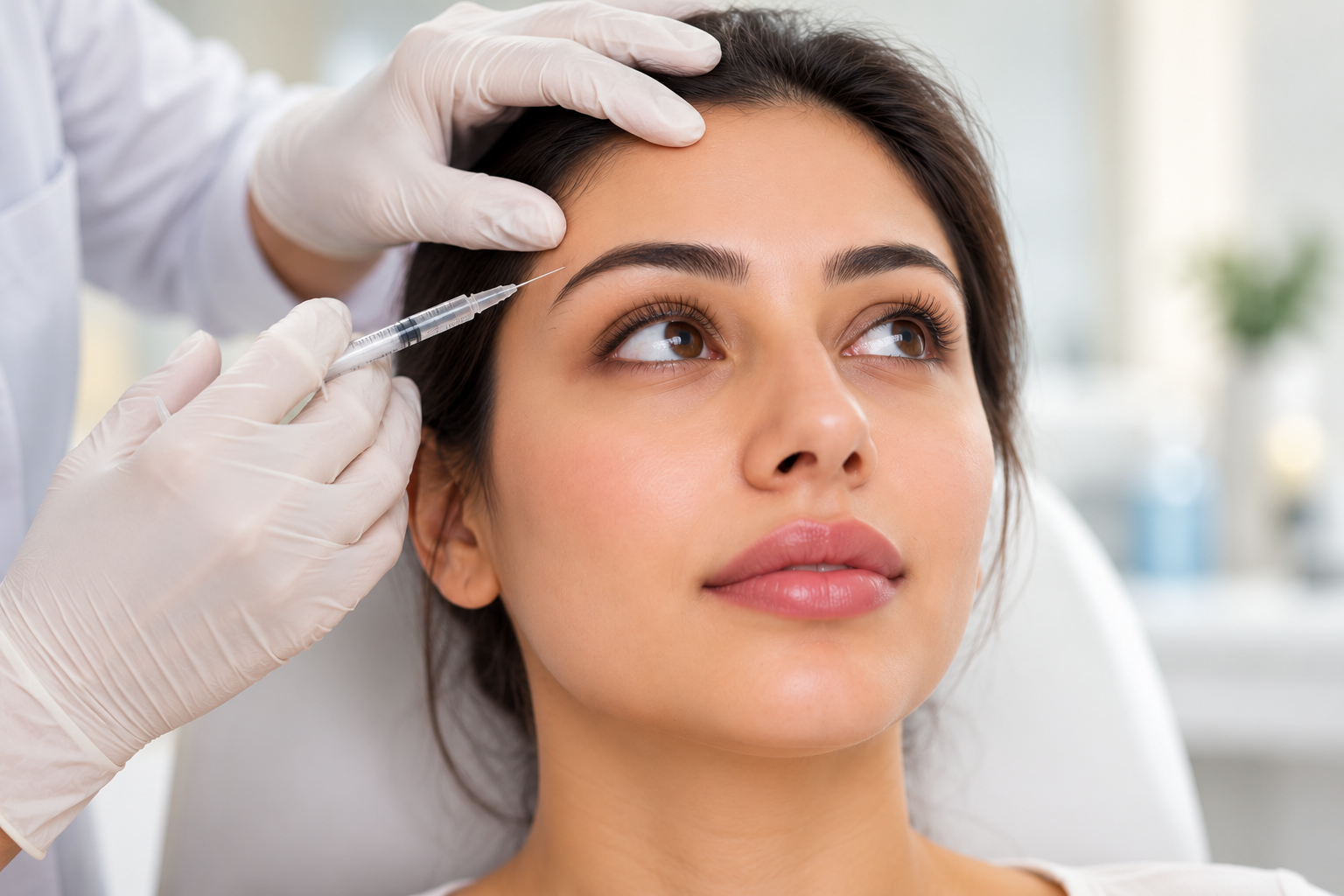
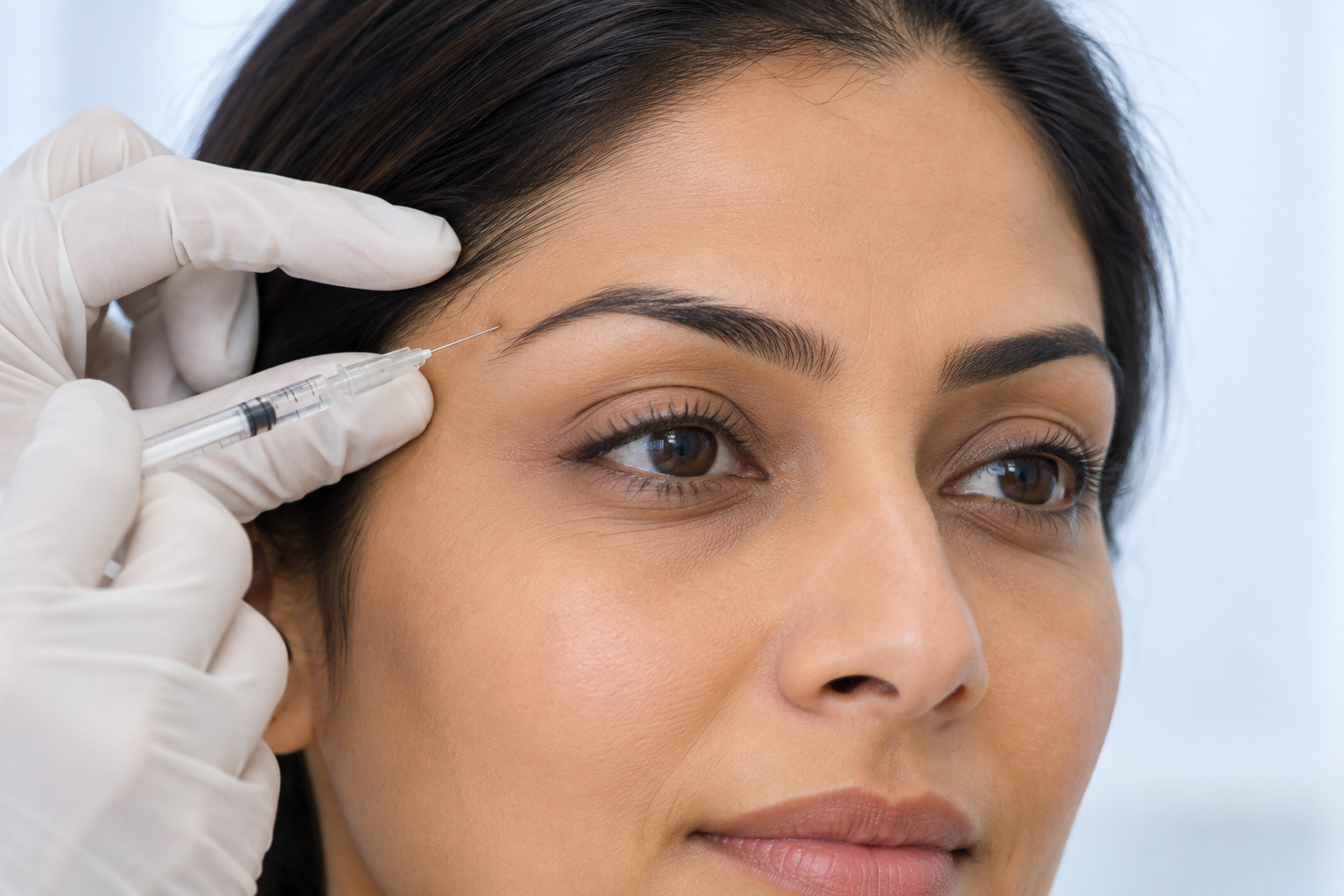
Small amounts of botulinum toxin may be injected into carefully selected muscles according to the individual's anatomy and treatment plan.
Post-Treatment Guidance
You will receive appropriate aftercare instructions based on the treatment performed.
Gradual Results
Botox results do not appear instantly. The effect develops progressively as the targeted muscles become less active.
Why Personalised Treatment Matters
The forehead and eyebrow region is a highly interactive part of the face. Several muscles work together to create expressions and influence eyebrow position.
Therefore, treating a wrinkle should not simply mean injecting the same amount at the same points for every person.
An individualised approach considers:
Facial anatomy + muscle activity + wrinkle pattern + eyebrow position + skin quality + desired result
This can help support a more balanced outcome.
Botox vs. Skincare for Angry Lines
Skincare remains valuable for maintaining overall skin health. Sunscreen, moisturisation and appropriate skincare can help support skin quality and reduce the effects of environmental ageing.
However, skincare and Botox work differently.
Skincare primarily supports the condition and appearance of the skin.
Botox temporarily reduces the muscle activity that contributes to dynamic expression lines.
Therefore, if your primary concern is strong muscle movement creating prominent frown lines, skincare alone may not address the underlying muscle activity.
Who May Consider Forehead Angry Lines Treatment?
Adults who are concerned about persistent or increasingly noticeable expression lines may consider a professional consultation.
You may want to discuss treatment if:
- Your forehead or glabellar lines make you appear angry or worried
- You look serious even when your face is relaxed
- Your frown lines have become deeper over time
- Your lines are particularly noticeable during facial expressions
- You want a non-surgical approach to facial rejuvenation
- You prefer subtle improvement rather than dramatic facial changes
Suitability should be determined through an individual medical assessment rather than age or appearance alone.
Can Forehead Angry Lines Be Prevented?
You cannot completely prevent facial expression lines because normal facial movement is part of everyday life.
However, several habits can support healthier-looking skin:
- Use broad-spectrum sunscreen regularly
- Avoid unnecessary prolonged sun exposure
- Maintain a consistent skincare routine
- Keep the skin adequately moisturised
- Avoid smoking
- Follow a healthy lifestyle
- Discuss persistent expression lines with a qualified aesthetic professional
These measures may support overall skin quality, but they do not stop normal facial muscle movement.
Why Choose Professional Assessment in Surat?
If you are searching for Forehead Angry Lines Treatment in Surat, choosing treatment based solely on price or a generic treatment package may not provide the best approach for your individual facial anatomy.
The forehead and glabellar region requires careful consideration because muscle balance can influence eyebrow position and facial expression.
A professional consultation can help determine whether Botox is appropriate and what type of result can reasonably be expected.
Forehead Angry Lines Treatment in Surat at Elegance Clinic
Forehead and glabellar lines can sometimes make you look more serious, tired, stressed or angry than you actually feel. The goal of treatment is not necessarily to change your facial identity it is to soften unwanted lines while maintaining facial harmony.
At Elegance Clinic in Surat, treatment planning can be personalised according to facial anatomy, muscle activity, skin condition and aesthetic goals.
Key Takeaways
- Forehead angry lines can make a relaxed face appear serious, worried or angry.
- Glabellar lines are commonly called frown lines or “11 lines.”
- Repeated facial muscle activity can contribute to their development.
- Ageing and reduced skin elasticity can make expression lines more persistent.
- Botox can temporarily reduce targeted muscle activity and soften dynamic frown lines.
- Deep static lines may not completely disappear with Botox alone.
- Natural-looking results depend on individualised assessment and appropriate treatment planning.
- Professional consultation is important before choosing cosmetic injectable treatment.
Conclusion
You do not have to feel angry for your face to appear angry. Forehead angry lines and glabellar wrinkles can gradually create a serious or concerned expression because of repeated muscle movement and changes in skin quality.
For people exploring Forehead Angry Lines Treatment in Surat, Botox may be an effective non-surgical option when the lines are primarily related to muscle activity. However, the right treatment depends on the depth of the lines, facial anatomy, muscle movement and individual goals.
Ready to look more relaxed without changing who you are? Consult Elegance Clinic in Surat to discuss your forehead and frown lines and determine whether a personalised Botox treatment approach is suitable for you.