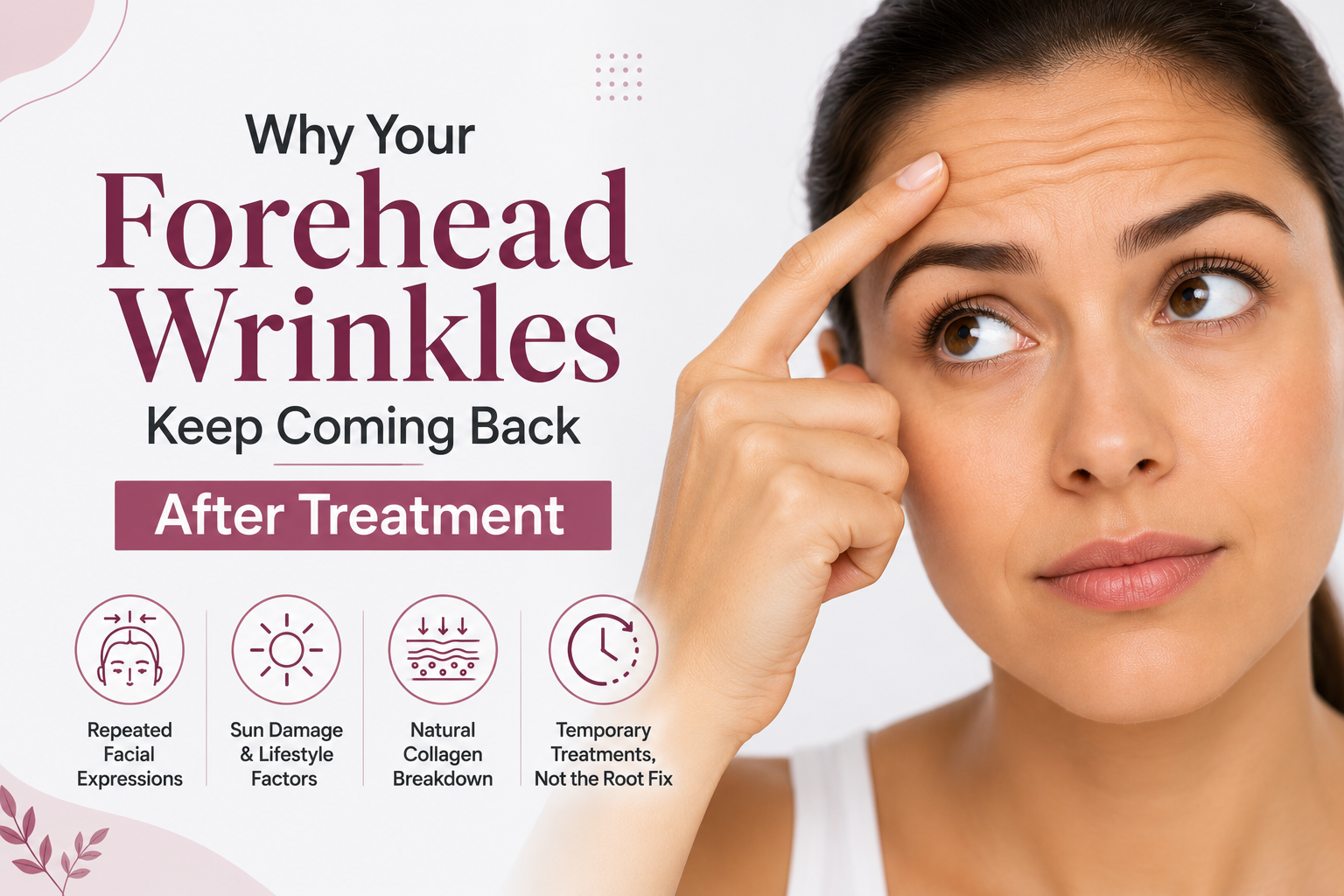
Why Your Forehead Wrinkles Keep Coming Back After Treatment
You treat your forehead wrinkles, notice smoother skin, and then after some time the lines begin to appear again. It can feel as though the treatment has stopped working. But in many cases, forehead wrinkles coming back after treatment is expected, especially when the lines are caused by repeated facial muscle movement.
The important question is not simply, “Why are my forehead wrinkles back?” It is what is causing them to return and whether the treatment was designed to address that cause.
For people looking for non surgical forehead wrinkle removal, understanding this difference can help set realistic expectations and guide better treatment decisions.
Why Do Forehead Wrinkles Come Back?
Forehead lines are often influenced by repeated movement of the muscles underneath the skin. Every time you raise your eyebrows, show surprise, concentrate, or make certain facial expressions, the forehead skin folds.
Over time, repeated folding can make these lines increasingly noticeable even when your face is relaxed.
Non-surgical treatments can reduce the appearance of these lines, but they generally do not permanently stop the natural ageing process or facial movement.
1. Your Facial Muscles Keep Moving
One of the biggest reasons forehead lines return is simple: your forehead muscles are still active.
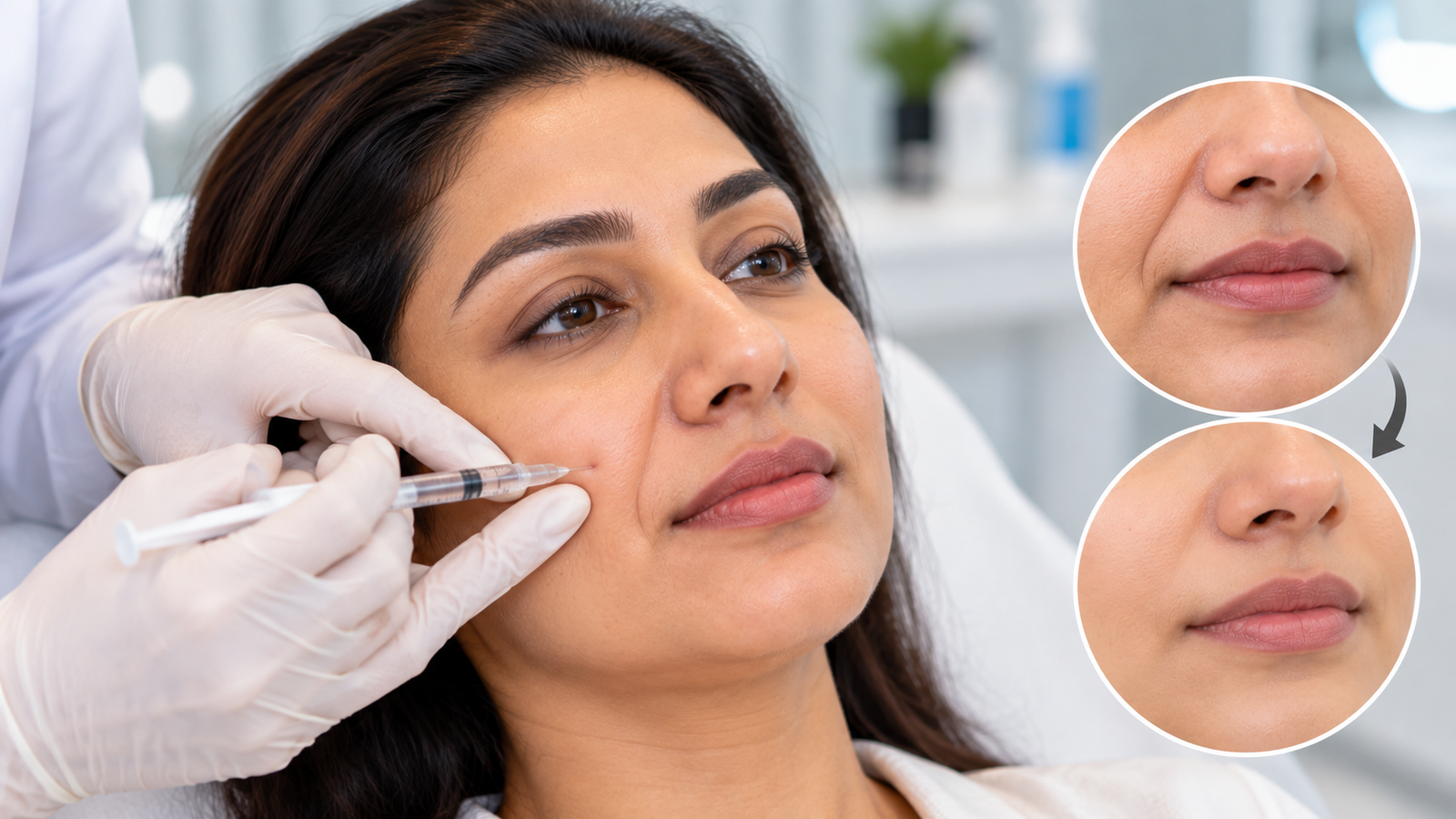
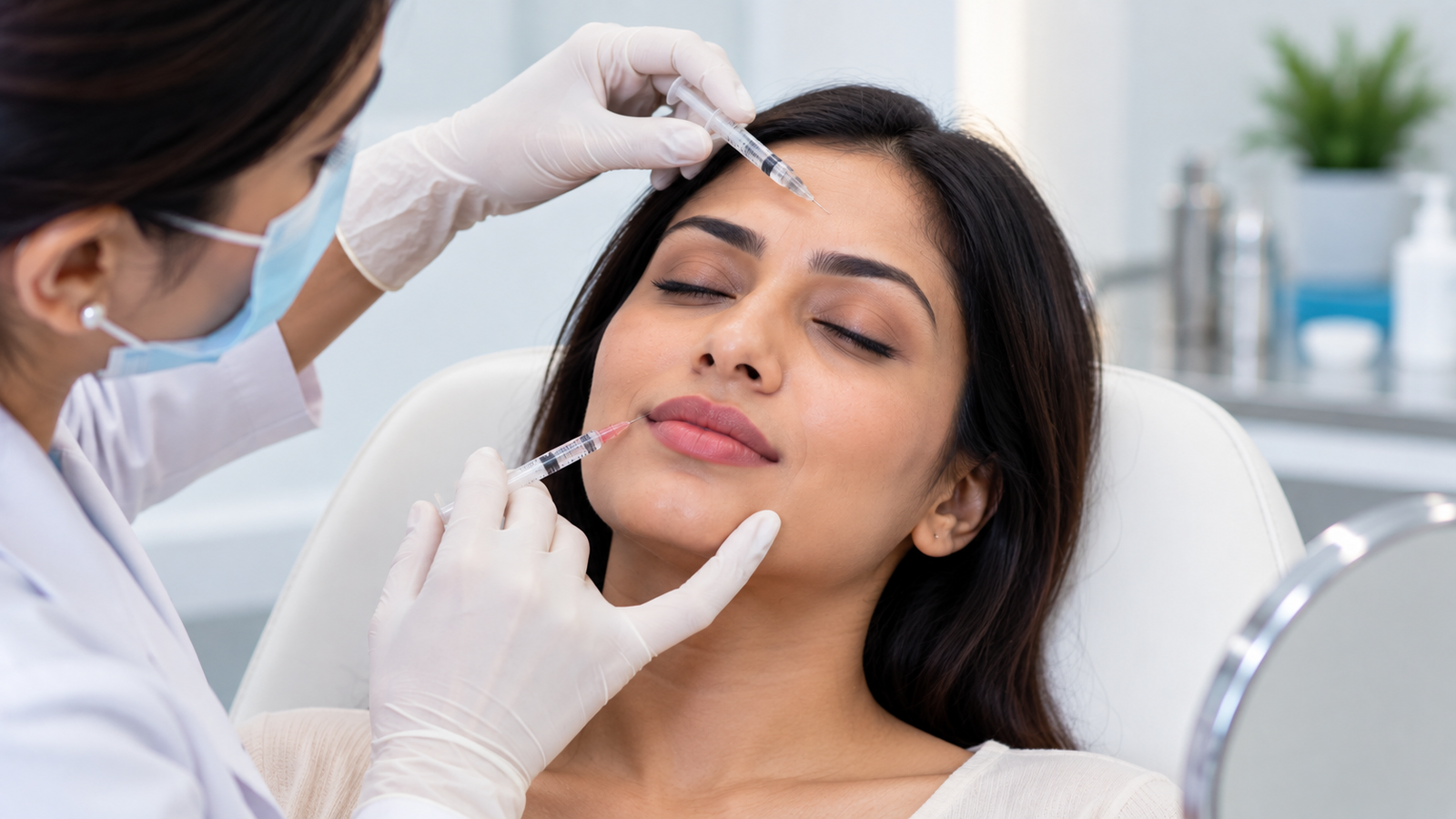
Botulinum toxin treatments work by temporarily reducing muscle activity in targeted areas. As muscle activity gradually returns, forehead movement can increase and lines may become visible again.
This does not necessarily mean the previous treatment failed.
2. The Treatment Is Temporary
A common misconception is that Botox permanently removes forehead wrinkles.
In reality, results are temporary. The duration of improvement can vary depending on factors such as:
- Individual muscle activity
- Treatment area
- Amount used
- Metabolism
- Previous treatment history
- Skin condition
- Natural ageing
Because of this, maintenance treatment may eventually be needed.
Dynamic Lines and Static Wrinkles Are Not the Same
This is one of the most important things people often overlook.
Dynamic forehead lines
These appear mainly when you move your eyebrows or make facial expressions.
For example, the lines may become visible when you raise your eyebrows but appear much softer when your forehead is relaxed.
Static forehead wrinkles
These remain visible even when the face is completely relaxed.
They can develop after years of repeated skin folding and may be influenced by collagen loss, sun exposure and ageing.
Why does this matter?
A treatment that reduces muscle movement may be highly effective for dynamic lines, but deeper static wrinkles may require a more comprehensive treatment approach.
Why Skincare Alone May Not Be Enough
Many people try creams, serums and moisturisers expecting forehead wrinkles to disappear completely.
Good skincare can support skin quality and hydration, but it cannot completely prevent the mechanical movement that contributes to dynamic forehead lines.
Sun protection, moisturisation and appropriate anti-ageing skincare can still be valuable because healthy skin may look smoother and more resilient.
However, when the main problem is repeated muscle movement, a treatment targeting that movement may be considered.
Does Non Surgical Forehead Wrinkle Removal Mean Permanent Removal?
Not necessarily.
The phrase “non surgical forehead wrinkle removal” is commonly used by people searching for ways to reduce forehead wrinkles without surgery. However, medically, it is more accurate to think of many treatments as wrinkle reduction or smoothing rather than permanent removal.
For dynamic horizontal forehead lines, botulinum toxin may temporarily reduce the underlying muscle activity responsible for repeated folding.
The goal is usually a smoother, more refreshed appearance while preserving appropriate facial expression.
Why Some People See Wrinkles Return Faster
Two people can receive the same type of treatment and experience different durations of improvement.
Factors that may influence how quickly lines become noticeable again include:
Strong forehead muscle activity
People with highly active forehead muscles may notice movement returning sooner.
Individual metabolism
The body processes treatments differently from person to person.
Severity of existing lines
Deeper, long-standing wrinkles may not respond in exactly the same way as newer dynamic lines.
Sun exposure and skin ageing
UV exposure contributes to collagen and elastin breakdown, which can make wrinkles more noticeable.
Treatment planning
The forehead should not be treated in isolation. The position and activity of surrounding muscles can influence eyebrow movement and overall facial balance.
This is why professional assessment matters before deciding how forehead lines should be treated.
Could Your Treatment Be Wearing Off or Was the Problem Different?
If forehead wrinkles return, there are several possibilities.
The treatment may simply be wearing off. Alternatively, the lines may have become more noticeable because of changes in skin quality, ageing or pre-existing static wrinkles.
In some cases, the original treatment may not have fully addressed the cause of the lines.
Rather than automatically repeating treatment, an appropriate assessment can help determine whether the issue is muscle activity, skin quality, wrinkle depth, or a combination of factors.
What Can Help Forehead Wrinkles Stay Less Noticeable?
While no non-surgical treatment can stop ageing completely, several habits can support longer-lasting skin quality:
- Use broad-spectrum sunscreen consistently.
- Avoid excessive sun exposure.
- Keep the skin appropriately moisturised.
- Follow a suitable skincare routine.
- Avoid repeatedly changing treatments without professional guidance.
- Attend follow-up assessments when recommended.
- Discuss realistic maintenance expectations with a qualified medical professional.
The goal is not to freeze the face or eliminate every line. A well-planned approach aims to create a natural-looking improvement while maintaining facial expression and balance.
When Should You Consider Professional Assessment?
Consider an assessment if:
- Forehead wrinkles remain prominent after treatment.
- Lines return sooner than expected.
- Wrinkles are visible even when your face is relaxed.
- You are unsure whether your lines are dynamic or static.
- You are considering Botox for the first time.
- You want a non-surgical approach to forehead wrinkles.
- You are concerned about an unnatural or overly frozen appearance.
A professional assessment can help determine which treatment approach is appropriate for your individual facial anatomy and skin condition.
Non Surgical Forehead Wrinkle Removal in Surat
If you are searching for non surgical forehead wrinkle removal in Surat, the first step should be understanding why your forehead lines are appearing rather than simply repeating a treatment.
At Elegance Clinic, Dr. Ashutosh Shah can assess the forehead lines, facial muscle movement and overall facial balance before discussing suitable non-surgical options.
The right treatment is not necessarily the one that removes every line. It is the one that addresses the underlying cause while aiming for a balanced, natural-looking result.
Conclusion
Forehead wrinkles can come back after treatment because facial muscles gradually regain activity and the skin continues to age naturally. This is particularly relevant when treating dynamic horizontal forehead lines.
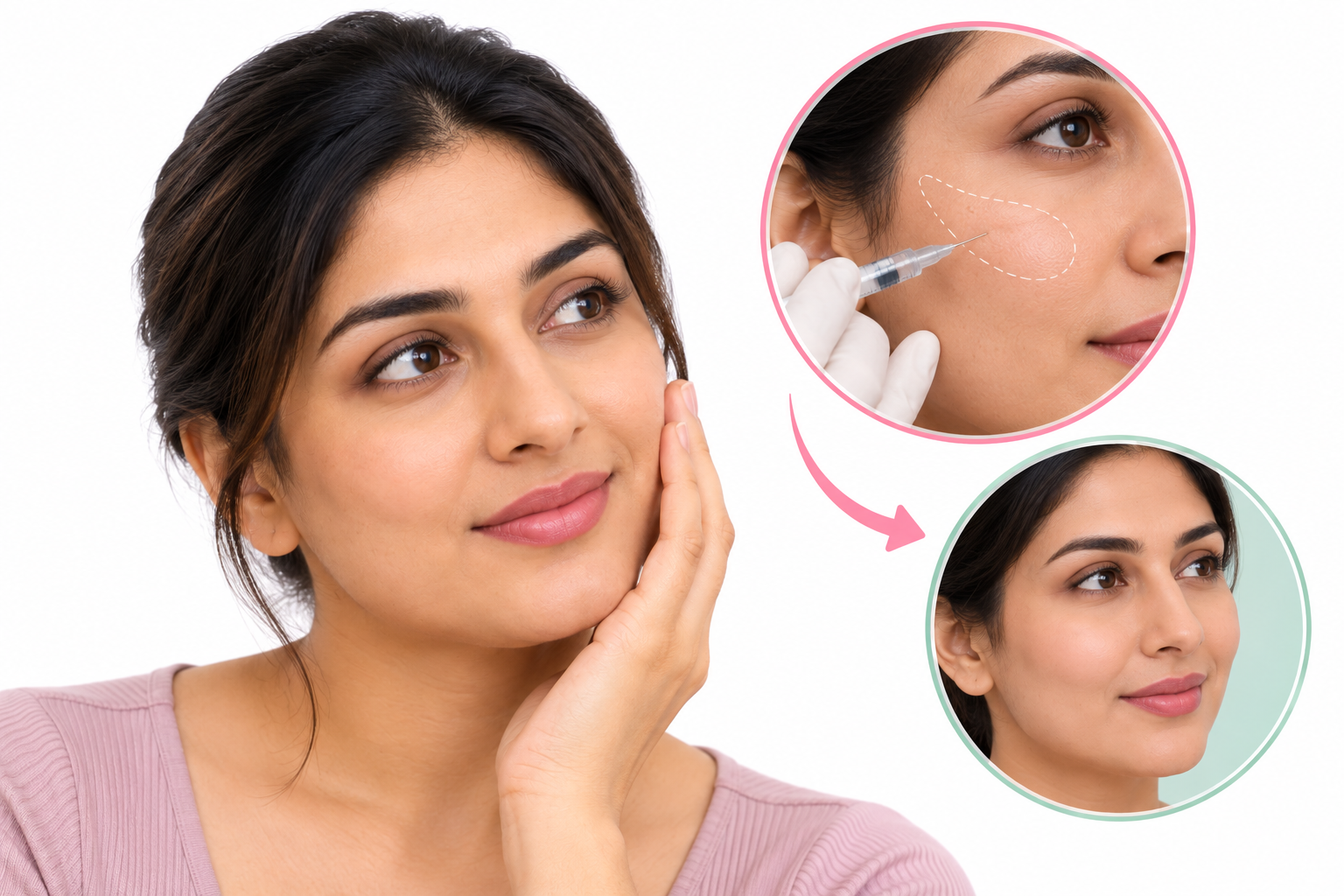
Non-surgical forehead wrinkle treatment can reduce the appearance of movement-related lines, but results are generally temporary rather than permanent. Deeper static wrinkles may also require a different or combined approach.
If your forehead wrinkles keep returning, instead of assuming the treatment failed, it is worth determining what type of wrinkles you have, what is causing them and whether your treatment plan matches that cause.
Looking for Non Surgical Forehead Wrinkle Removal in Surat?
If you are considering treatment for horizontal forehead lines, book a consultation to discuss your concerns, facial movement and suitable non-surgical treatment options. A personalised assessment can help you understand what can realistically be improved and how to maintain a natural facial appearance.