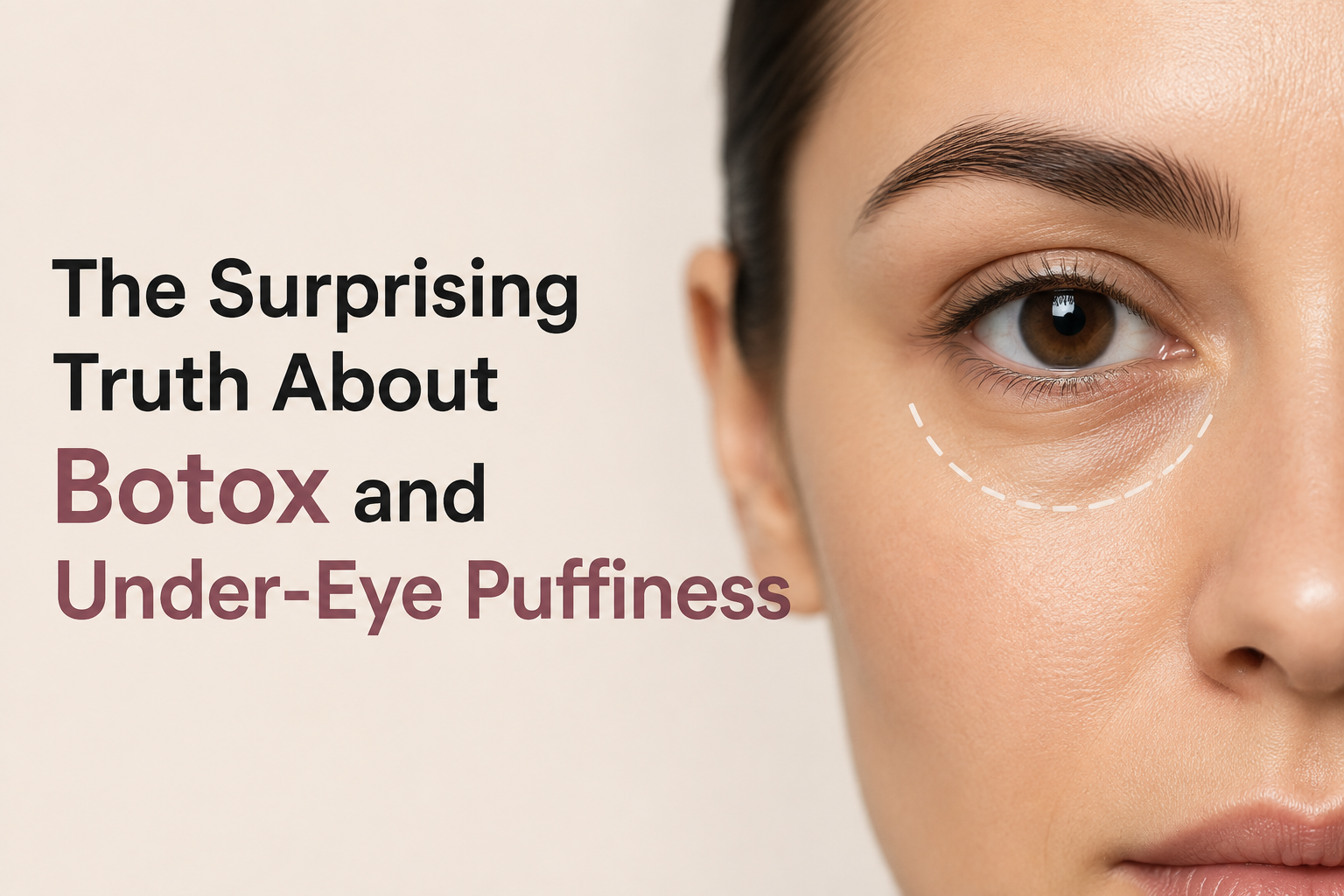
The Surprising Truth About Botox and Under-Eye Puffiness
Yes, swelling after Botox near the eyes is usually normal. Mild swelling or under-eye puffiness is a common temporary side effect that often improves within 24–48 hours, although some people may notice mild puffiness for up to one or two weeks. Most cases resolve naturally with proper aftercare. However, severe swelling, vision changes, increasing pain, fever, or difficulty breathing require immediate medical attention.
If your Botox treatment is performed by an experienced injector and proper aftercare instructions are followed, the risk of significant complications is very low.
Botox for Crow's Feet and Under-Eye Puffiness
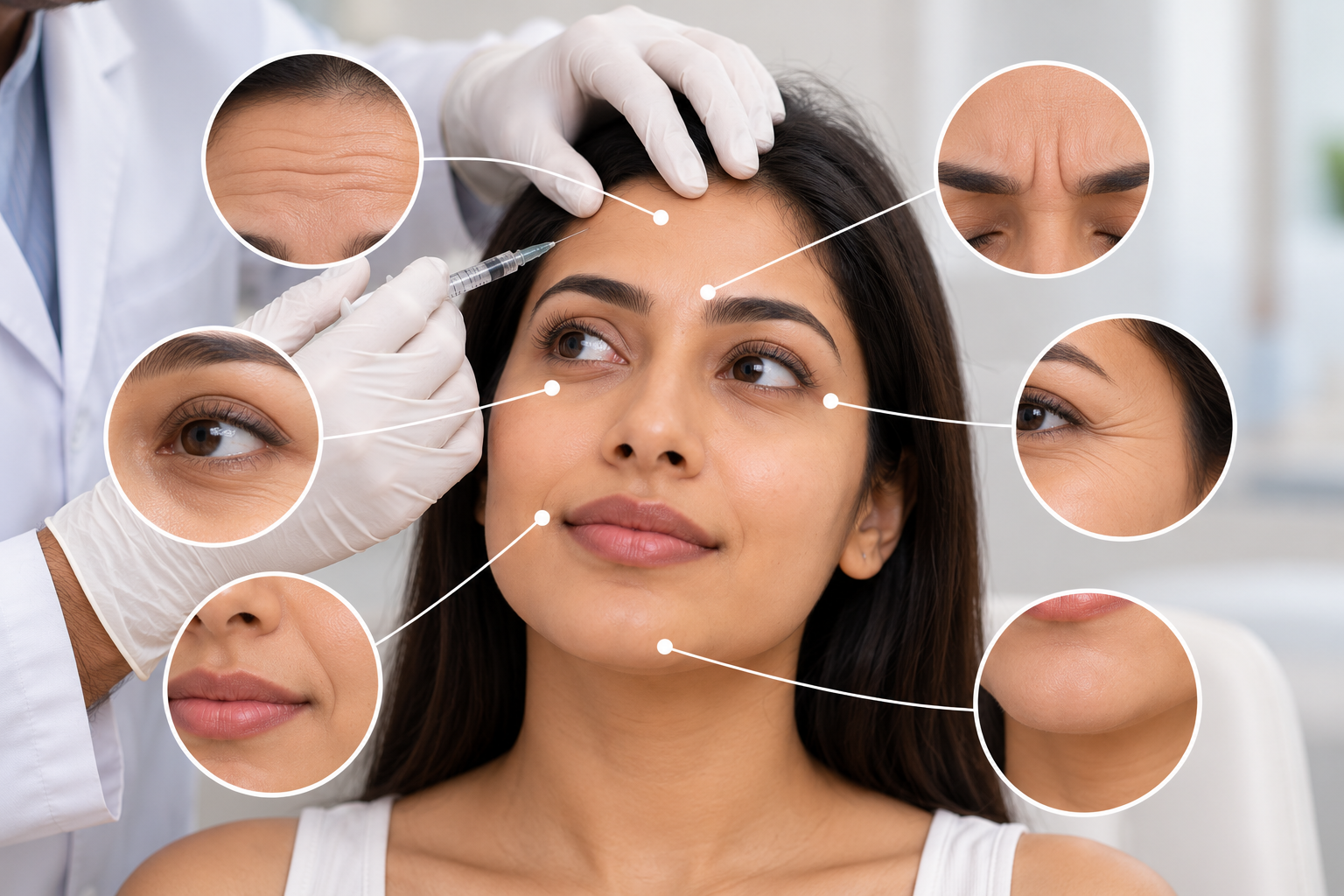
Botox is commonly used as a Crow's Feet treatment to reduce fine lines and wrinkles at the outer corners of the eyes caused by smiling and facial movements. While Botox helps create a smoother, refreshed appearance, some patients may notice temporary swelling or puffiness around the eyes after treatment. Understanding why this happens can help you identify what is normal during the recovery process.
Why Does Swelling After Botox Near Eyes Happen?
Many people are surprised to experience puffiness after Botox because the treatment is designed to refresh the face not make it appear swollen. The truth is that Botox itself isn't usually the direct cause of swelling. Instead, the body's natural healing response and temporary muscle relaxation are responsible.
Here are the most common reasons.
1. Normal Injection Response
Every Botox injection creates a tiny puncture in the skin. Your immune system responds by increasing blood flow to the treated area, which may cause:
- Mild swelling
- Redness
- Tenderness
- Small bumps
These reactions are expected and generally disappear within one or two days.
2. Temporary Lymphatic Fluid Retention
One of the lesser-known causes of swelling after Botox near eyes is temporary fluid retention.
The muscles surrounding your eyes help move lymphatic fluid away from the face. After Botox relaxes these muscles, drainage can become slightly slower, allowing fluid to collect beneath the eyes.
This type of swelling is usually:
- Soft
- Painless
- More noticeable in the morning
- Temporary
As your facial muscles adapt, normal drainage returns.
3. Can Botox Cause Under-Eye Bags, or Just Reveal Them?
Botox does not create eye bags.
However, if you already have:
- Fat pads
- Loose skin
- Mild puffiness
- Dark circles
the temporary muscle relaxation may make these features appear more obvious until the area settles.
4. Individual Facial Anatomy
Every patient heals differently.
Factors affecting swelling include:
- Thin skin
- Sensitive blood vessels
- Age
- Facial muscle strength
- Previous cosmetic treatments
- Natural facial structure
This explains why one person experiences almost no swelling while another develops noticeable puffiness.
5. Lifestyle Factors
Several habits can increase swelling after Botox.
These include:
- High salt intake
- Alcohol consumption
- Poor sleep
- Allergies
- Dehydration
- Sleeping flat
Making small lifestyle adjustments during recovery can significantly reduce puffiness.
How Long Does Swelling After Botox Near Eyes Last?
Most people recover quickly.
| Time | What to Expect |
|---|---|
| First 24 Hours | Mild swelling and redness |
| 24–48 Hours | Swelling peaks |
| 3–7 Days | Puffiness begins improving |
| 7–14 Days | Most swelling disappears |
| Beyond 2 Weeks | Follow up with your injector |
Recovery varies depending on:
- Injection technique
- Number of units used
- Individual healing
- Skin quality
- Treatment area
Signs Your Swelling or Puffiness Is Normal
Your swelling is usually considered normal if it is:
- Mild
- Symmetrical
- Improving daily
- Not painful
- Without fever
- Without vision changes
What Are Malar Bags, and Can Botox Cause Them?
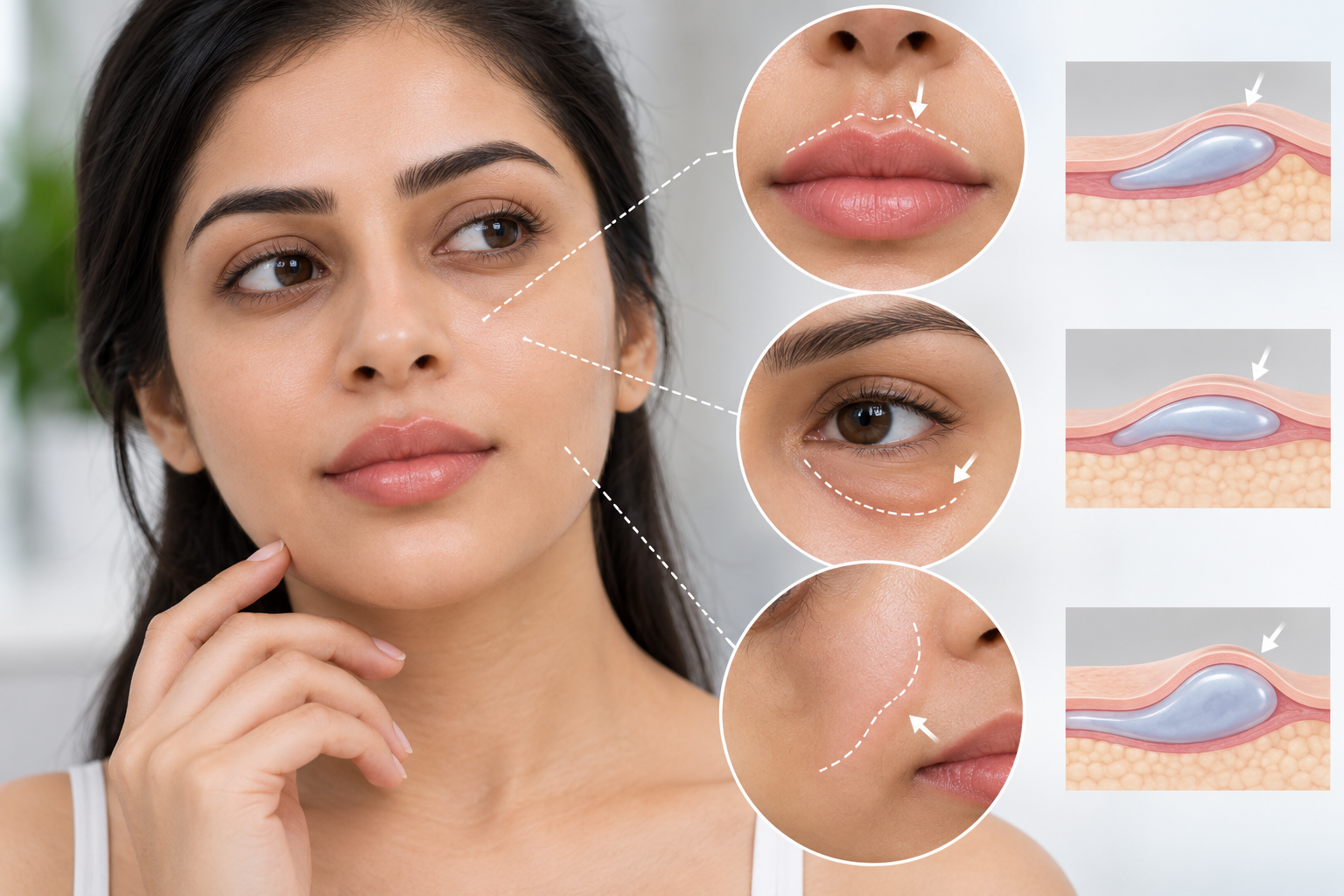
Malar bags, sometimes called festoons, are soft swellings that sit on the cheekbone just below the under-eye hollow. Botox does not create them. It can, however, make an existing malar bag look more obvious, because relaxing the muscle around the eye reduces the gentle pumping action that helps fluid drain away. If you already have malar bags or puffiness that comes and goes, say so before treatment. The injection plan can be adjusted, or that area left alone.
When Should You Be Concerned?
Although complications are uncommon, seek medical advice if you experience:
- Swelling worsening after several days
- Severe pain
- Increasing redness
- Warm skin
- Fever
- Persistent swelling lasting longer than two weeks
- Significant eyelid drooping
Seek Emergency Care Immediately If You Have
- Difficulty breathing
- Swelling of the lips or throat
- Severe allergic reaction
- Sudden vision loss
- Double vision
- Severe eye pain
These symptoms are rare but require immediate evaluation.
How to Reduce Puffy Eyes and Swelling After Botox
Most swelling improves naturally.
These evidence-based aftercare tips may help.
Apply a Cold Compress
Use a cool compress for 10–15 minutes at a time during the first day.
Avoid placing ice directly on your skin.
Sleep with Your Head Elevated
Using an extra pillow reduces fluid accumulation overnight.
Drink Plenty of Water
Proper hydration helps regulate fluid balance and supports healing.
Reduce Salt Intake
Eating less sodium minimizes water retention around the eyes.
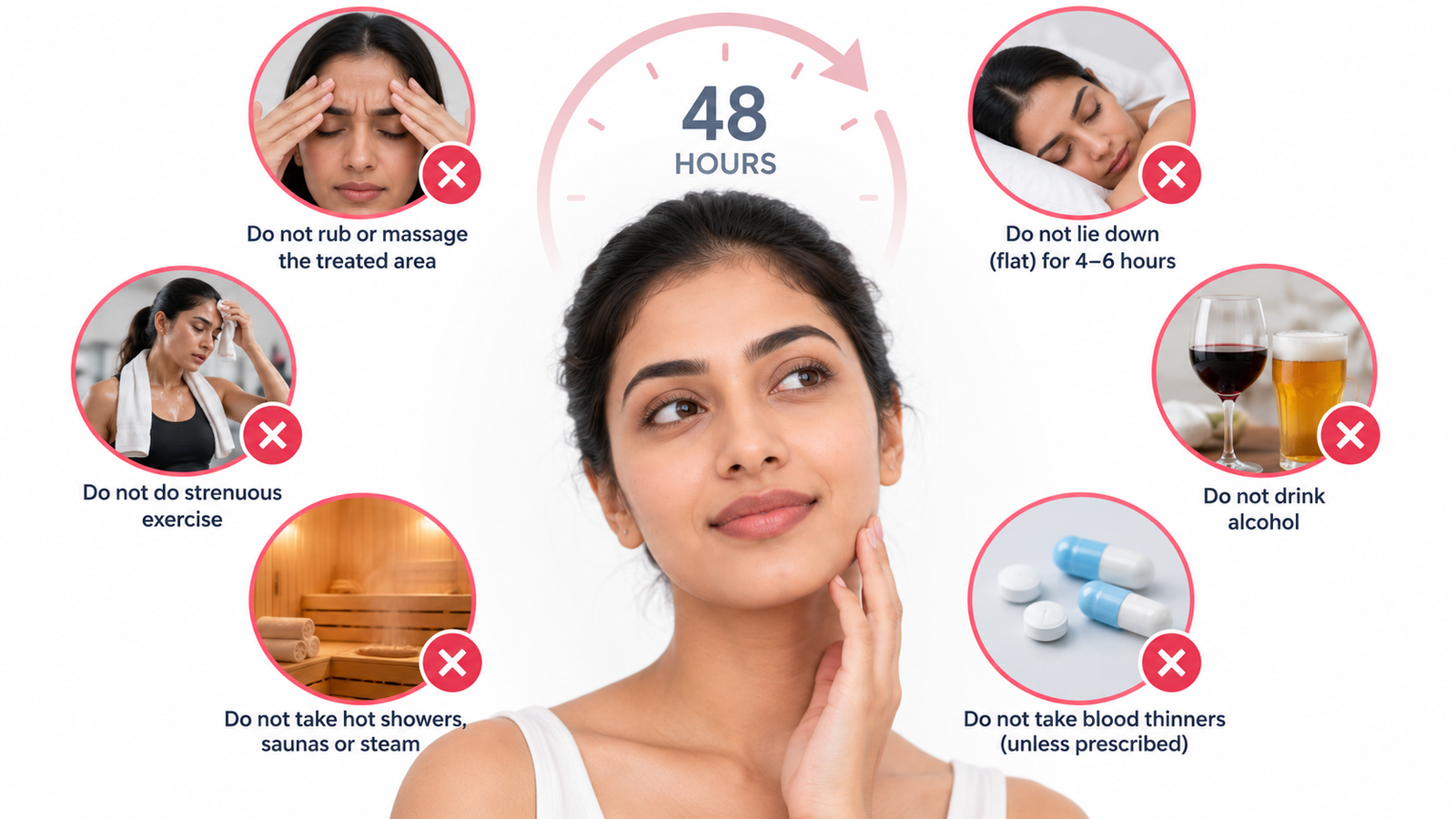
Avoid Alcohol for 24 Hours
Alcohol dilates blood vessels and may worsen swelling or bruising.
Avoid Rubbing Your Eyes
Massaging the treated area may affect Botox placement during the first day.
Follow Your Injector's Instructions
Every treatment plan is unique.
Always prioritize your provider's aftercare recommendations.
Can Swelling Be Prevented?
While no cosmetic treatment is completely free of side effects, the risk of swelling can be minimized.
Choose:
- A qualified medical injector
- Proper facial assessment
- Correct Botox dosing
- Personalized treatment planning
- Professional aftercare guidance
Experienced injectors understand facial anatomy and use techniques that help reduce complications.
Common Myths About Botox Swelling
Myth: Swelling Means Botox Failed
Fact: Mild swelling is part of the body's normal healing process and does not indicate poor treatment.
Myth: Botox Causes Permanent Puffiness
Fact: Botox does not permanently cause under-eye bags. Temporary puffiness usually resolves within days to weeks.
Myth: Ice Should Be Applied Continuously
Fact: Short intervals with a cool compress are more appropriate than prolonged icing.
Who Is More Likely to Experience Under-Eye Puffiness?
You may be at greater risk if you have:
- Existing eye bags
- Thin skin
- Allergies
- Chronic sinus congestion
- Fluid retention
- Previous facial surgery
- Sensitive skin
Discuss your medical history with your injector before treatment.
Expert Tips for Faster Recovery
To optimize healing:
- Stay hydrated.
- Avoid strenuous exercise for the first 24 hours if advised by your provider.
- Sleep on your back with your head elevated.
- Avoid excessive sun exposure and heat immediately after treatment if recommended.
- Eat a balanced diet rich in fruits and vegetables.
- Follow all aftercare instructions carefully.
- Attend follow-up appointments if needed.
Conclusion
Experiencing swelling after Botox near eyes can feel alarming, but in most cases it is a temporary and expected part of recovery. Mild inflammation, temporary fluid retention, and your unique facial anatomy are the most common reasons for under-eye puffiness after treatment. Most patients notice significant improvement within a few days, with complete resolution typically occurring within one to two weeks.
Choosing an experienced medical professional, following proper aftercare, and understanding what is normal can help ensure a smooth recovery and natural-looking results. If your swelling is severe, worsening, or accompanied by vision changes, fever, or difficulty breathing, seek medical attention immediately.
Book Your Botox Consultation at Elegance Clinic
If you're considering Botox or have concerns about swelling after Botox near eyes, expert guidance can make all the difference.
Dr. Ashutosh Shah at Elegance Clinic provides personalized Botox treatments using advanced injection techniques focused on safety, precision, and natural-looking outcomes. From your initial consultation to post-treatment care, you'll receive evidence-based recommendations tailored to your facial anatomy and aesthetic goals.
Schedule your consultation with Dr. Ashutosh Shah at Elegance Clinic today to achieve smoother, refreshed results with confidence.