
Why Your Forehead Can Look Older Before the Rest of Your Face
Your forehead can sometimes make you look older even when the rest of your face still appears relatively youthful. Repeated facial expressions, forehead muscle activity, sun exposure, and gradual changes in skin elasticity can all make horizontal forehead lines more noticeable over time. Dr. Ashutosh Shah at Elegance Clinic can assess your facial movement, forehead lines, and overall facial balance to help determine whether a personalized forehead rejuvenation treatment may be appropriate for you. The goal is not simply to erase every line, but to create a smoother, refreshed appearance while maintaining natural-looking facial expressions.
For people concerned about these changes, forehead rejuvenation treatment can be considered as part of a personalized aesthetic plan. Depending on whether the lines appear only during facial expressions or remain visible at rest, the appropriate approach may differ.
Key Takeaways
- Forehead lines can become noticeable because of repeated movement of the frontalis muscle.
- Sun exposure and age-related changes in collagen and skin elasticity can make lines more permanent.
- Dynamic forehead lines are different from deeper static wrinkles.
- Botox can temporarily reduce muscle activity that contributes to dynamic forehead lines.
- Forehead treatment should be individualized rather than following the same injection approach for everyone.
- A professional assessment is important because forehead muscles also influence eyebrow position and facial expression.
Why Does the Forehead Often Show Aging So Early?
Your forehead is constantly moving.
Raising your eyebrows, showing surprise, concentrating, reacting to conversations, or even unconsciously lifting your eyebrows repeatedly activates the frontalis muscle. This muscle raises the eyebrows and creates horizontal creases in the skin above it.
Over many years, repeated muscle movement can contribute to lines becoming more visible. Research describes horizontal forehead lines as being strongly associated with frontalis activity, while skin aging and loss of elasticity can make those lines more persistent.
This means your forehead may start looking lined even when other areas of your face have relatively few visible wrinkles.
It May Not Be Your Age Alone
A common misconception is that forehead lines are simply an indication of age.
In reality, several factors can influence how early and how strongly they appear.
1. Repeated Facial Expressions
Every time you raise your eyebrows, the frontalis contracts. Over time, repeated folding of the skin can contribute to horizontal lines.
This is why someone who frequently raises their eyebrows may develop noticeable forehead lines earlier than someone with less expressive forehead movement.
2. Reduced Skin Elasticity
As skin ages, changes in collagen, elastin and overall skin structure can reduce its ability to return completely to its previous state after repeated movement.
Consequently, lines that initially appeared only during expressions may gradually become visible even when the face is relaxed.
3. Sun Exposure
Long-term UV exposure can contribute to premature skin aging and make existing lines and uneven texture more apparent.
This is one reason forehead rejuvenation should not be viewed only as a wrinkle-reduction procedure. A broader approach to skin health and sun protection can also matter.
4. Individual Facial Anatomy
Not everyone's forehead muscles work in exactly the same way.
Muscle strength, eyebrow position, facial proportions and individual expression patterns can all influence how forehead lines develop. Clinical consensus recommendations therefore emphasize assessing facial movement and anatomy rather than applying an identical treatment pattern to every person.
Dynamic vs. Static Forehead Lines: Why the Difference Matters
One of the most important questions in forehead rejuvenation treatment is whether your lines are dynamic or static.
Dynamic forehead lines
These appear primarily when you raise your eyebrows or make certain facial expressions.
Because muscle activity plays a major role, treatments that temporarily reduce excessive muscle contraction may be useful for suitable patients.
Static forehead lines
These remain visible even when your face is completely relaxed.
When lines become deeply etched into the skin, relaxing the underlying muscle may soften their appearance, but it may not completely remove the crease. Skin quality and other aspects of facial aging may also need to be considered.
Simple answer: If your forehead lines mainly appear with movement, muscle-relaxing treatment may be particularly relevant. If they remain prominent at rest, a more comprehensive assessment may be needed.
How Can Forehead Rejuvenation Treatment Help?
Forehead rejuvenation treatment refers broadly to aesthetic approaches designed to create a smoother, fresher-looking forehead.
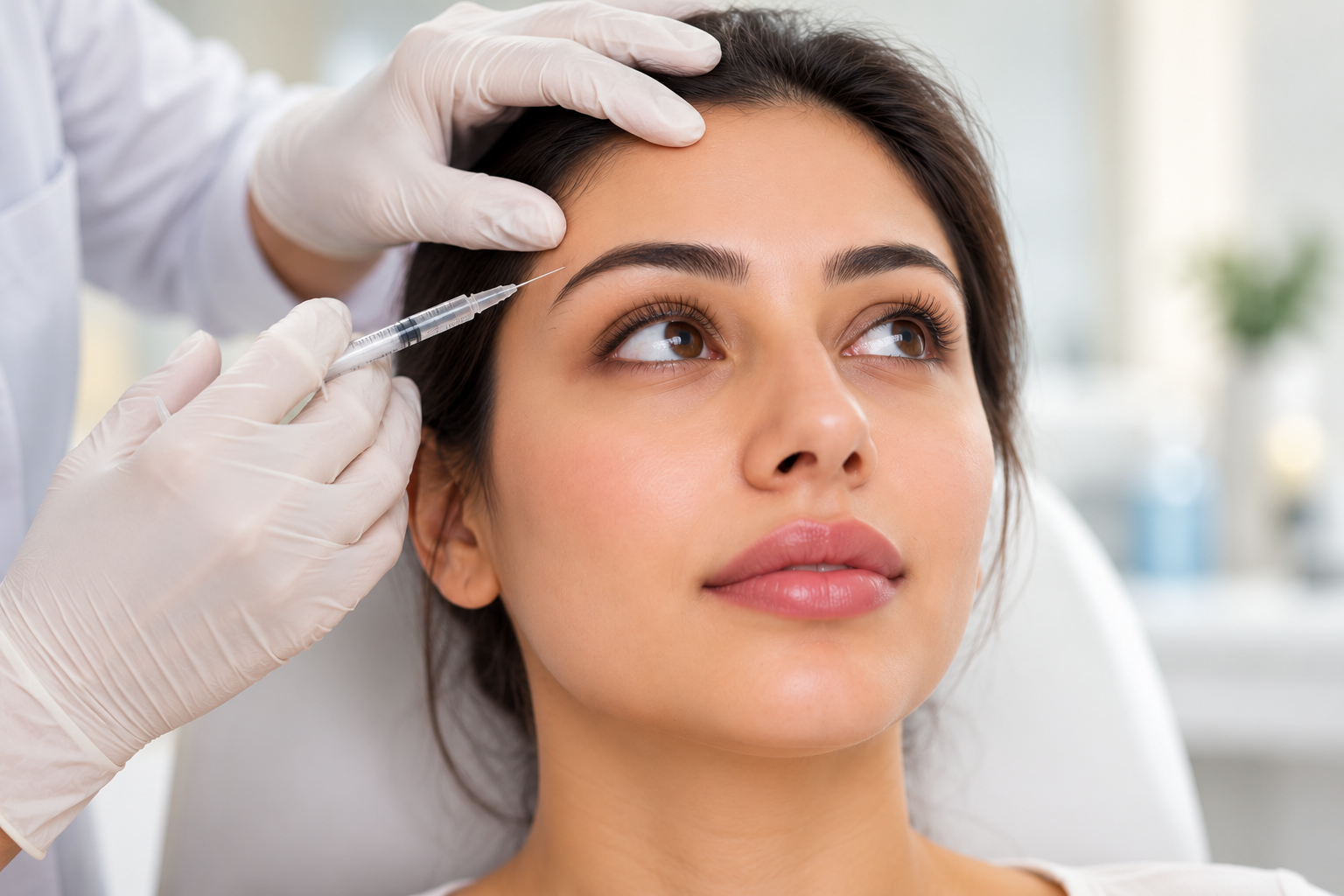
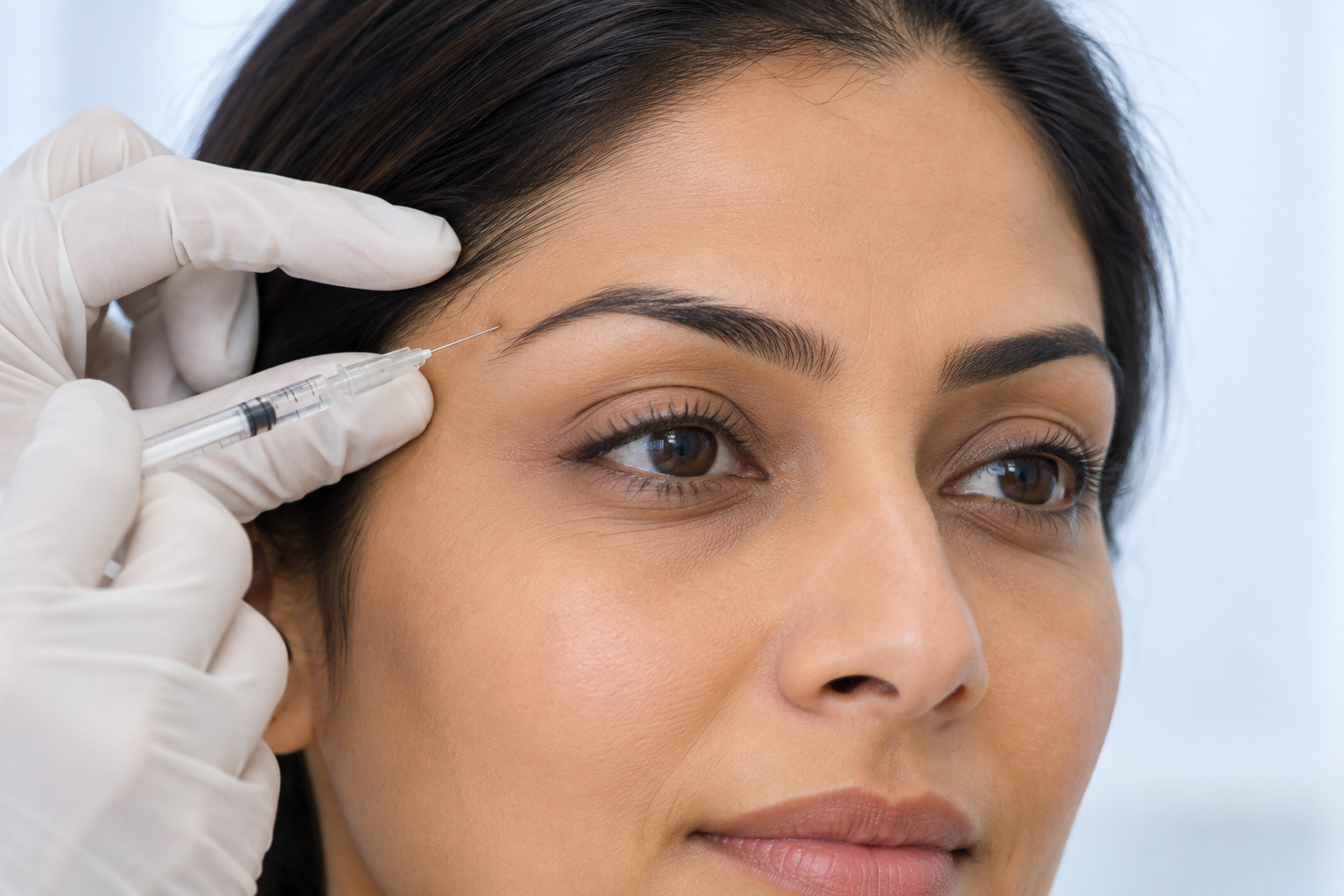
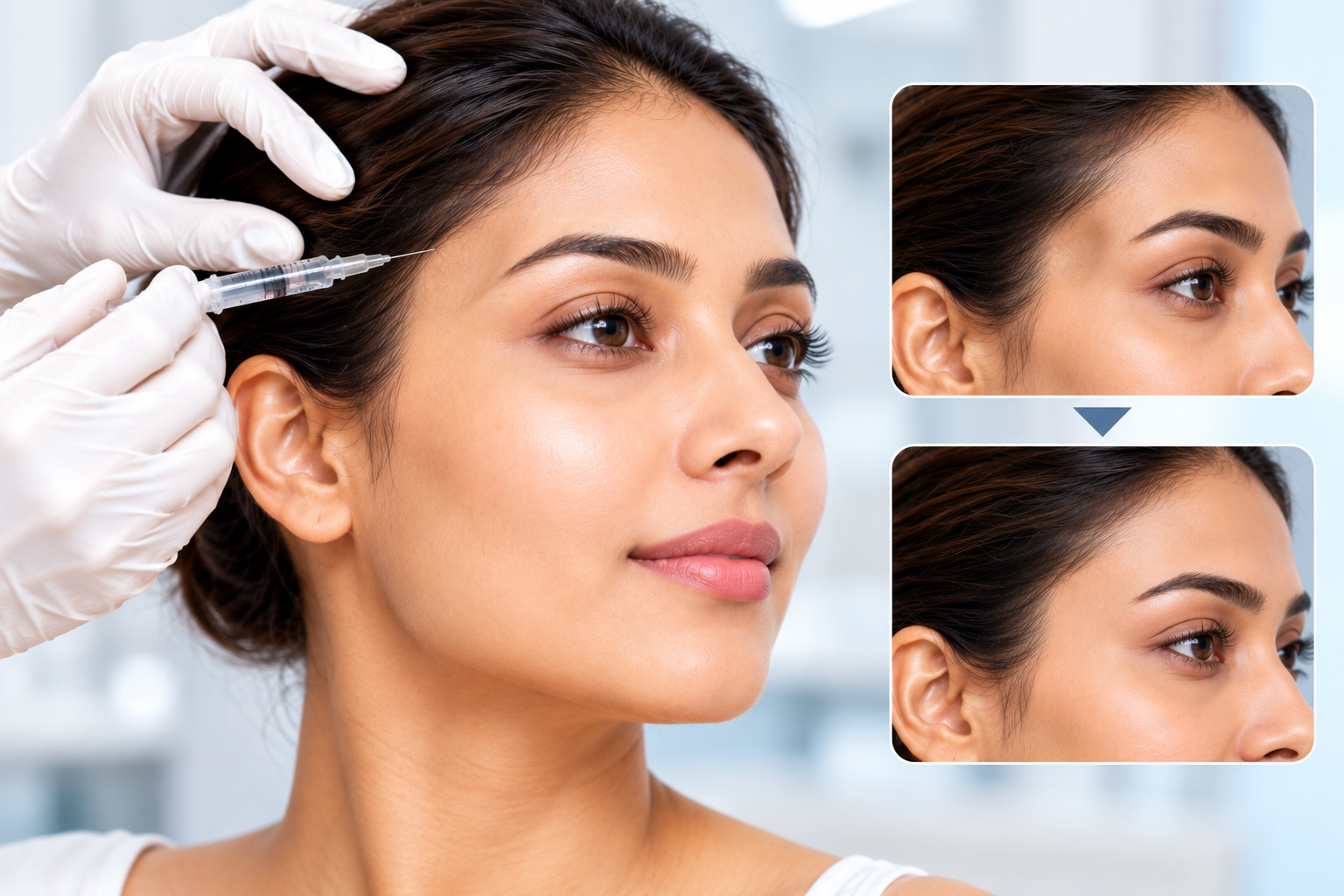
For suitable patients with dynamic horizontal forehead lines, botulinum toxin treatment can temporarily reduce the activity of the muscles responsible for repeated creasing.
Botulinum toxin works by temporarily interfering with nerve signals that cause targeted muscles to contract. As muscle activity decreases, dynamic lines can become less pronounced.
The goal should not necessarily be to eliminate every movement from the forehead. A well-planned treatment aims for a smoother appearance while maintaining a natural-looking facial expression.
Recent expert recommendations emphasize individualized assessment of muscle activity, eyebrow position, anatomy and treatment goals when treating upper facial lines.
Why Individualized Forehead Treatment Matters
The forehead is not an isolated area.
The frontalis muscle interacts with other muscles around the eyebrows and upper face. Changing muscle activity in one area can therefore influence eyebrow position and facial expression.
That is why a qualified aesthetic professional should evaluate:
- Forehead movement
- Depth and location of lines
- Brow position
- Facial symmetry
- Muscle activity
- Existing skin quality
- Your desired level of movement and expression
This individualized approach is important for achieving balanced results rather than simply treating every forehead in the same way.
Does Forehead Rejuvenation Treatment Make You Look Frozen?
Not necessarily.
The “frozen” appearance people sometimes associate with Botox is generally related to excessive muscle relaxation or an inappropriate treatment approach rather than the concept of forehead treatment itself.
Modern approaches emphasize tailoring treatment to the person's anatomy and muscle activity. The objective can be to soften excessive lines while preserving an appropriate degree of natural expression.
Your aesthetic goal should therefore be discussed clearly during consultation.
What Results Can You Expect?
Results vary depending on the treatment selected, the depth of the lines, muscle activity, skin condition and individual response.
For botulinum toxin treatment, the American Academy of Dermatology notes that patients commonly begin seeing results within several days, with effects generally lasting around three to four months, although individual results can vary.
A consultation is therefore more useful than assuming a particular dose, treatment pattern or duration will work for everyone.
Is Forehead Rejuvenation Right for Everyone?
No.
A consultation is important before deciding whether a particular treatment is appropriate. Some people may have concerns related primarily to skin texture, sun damage or established static wrinkles rather than muscle activity.
A professional assessment can help determine whether forehead rejuvenation should focus on muscle movement, skin quality, or a combination of approaches.
Forehead Rejuvenation Treatment at Elegance Clinic
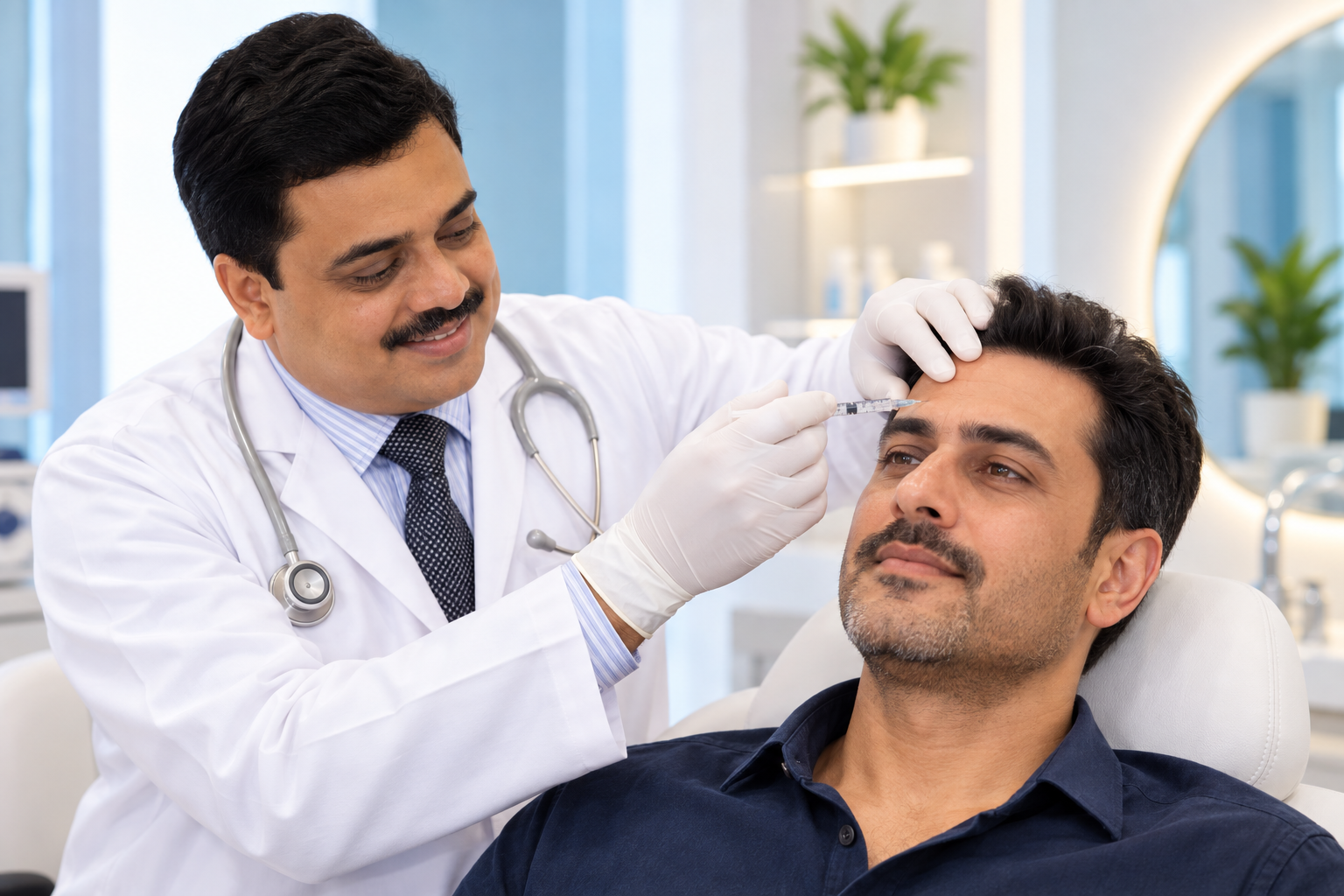
At Elegance Clinic, forehead rejuvenation can be approached with attention to the individual pattern of forehead movement rather than treating every patient identically.
If horizontal forehead lines are becoming more noticeable, an assessment can help determine whether muscle activity is contributing to them and whether a Botox-based approach is appropriate for your goals.
The emphasis should be on natural-looking facial movement, balanced results and treatment suited to your individual facial anatomy.
Conclusion
Your forehead can sometimes look older before the rest of your face because it is constantly involved in facial expression. Repeated frontalis muscle activity can create dynamic horizontal lines, while changes in skin elasticity and cumulative environmental exposure can make those lines increasingly visible.
Forehead rejuvenation treatment may help suitable patients achieve a smoother and more refreshed appearance. However, the right approach depends on whether your lines are dynamic, static, or influenced by multiple aspects of facial aging.
If you're considering treatment for horizontal forehead lines, consult a qualified aesthetic professional for an individualized assessment rather than choosing treatment based only on age or wrinkle depth.
Ready to Explore Forehead Rejuvenation?
If forehead lines are making you look more tired or aged than you feel, contact Elegance Clinic to discuss your forehead rejuvenation treatment options and find out whether a personalized Botox approach may be suitable for you.