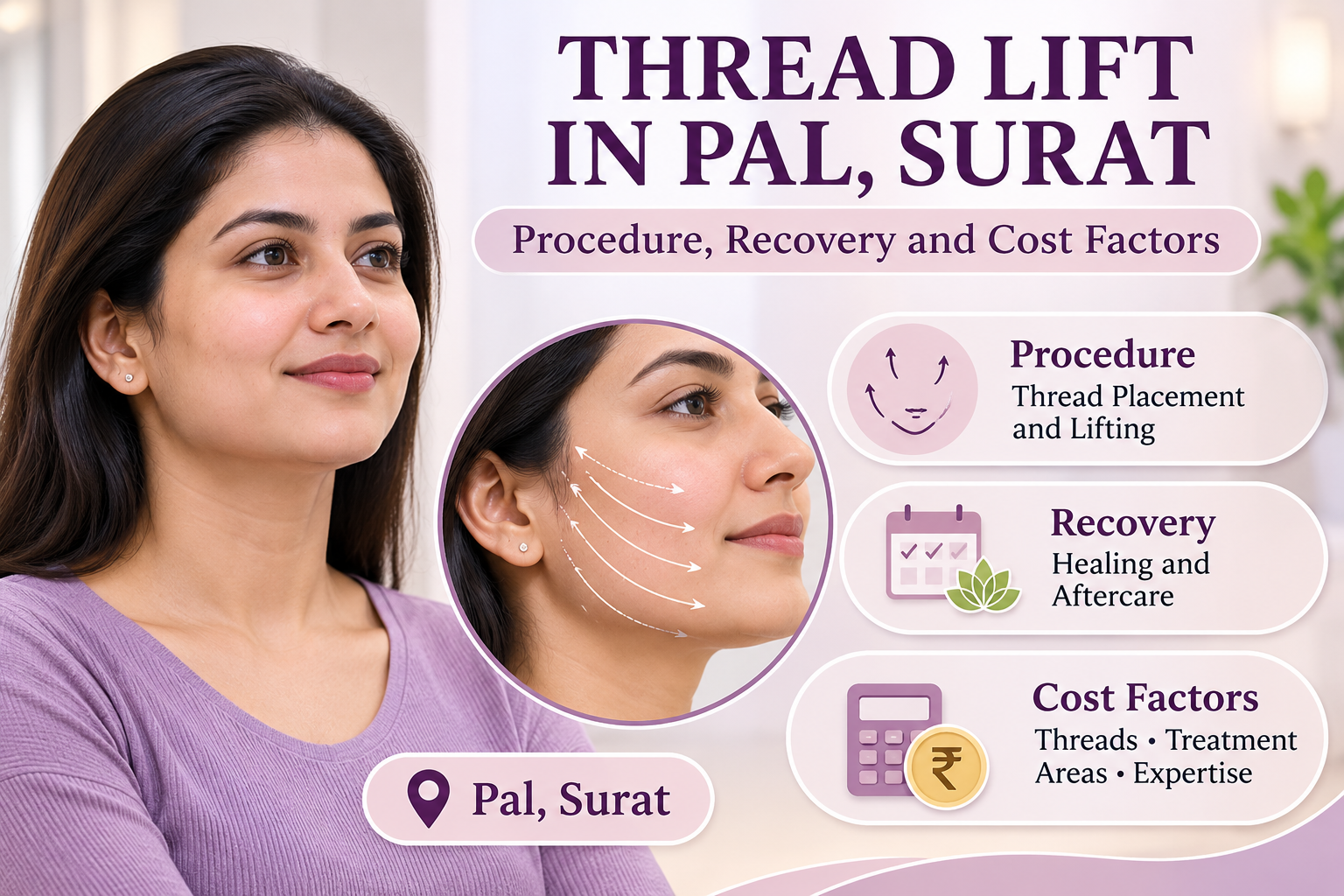
What to Avoid After Thread Lift: Do's and Don'ts for Faster Healing
Introduction
After a thread lift, avoid unnecessary pressure on the treated area, strenuous exercise, smoking, alcohol and activities that may interfere with early healing. Following your doctor's aftercare instructions helps manage swelling, bruising and discomfort while allowing the treated tissues to settle.
The first few days and weeks are important for recovery. Simple precautions such as sleeping in the recommended position, handling the face gently and attending follow-up appointments can help reduce avoidable problems. However, restrictions vary depending on the thread material, treatment area and individual recovery.
What to Avoid in the First Week After Thread Lift
The first week requires extra care because the treated area may experience swelling, tenderness, bruising or a pulling sensation.
Here are some common precautions:
-
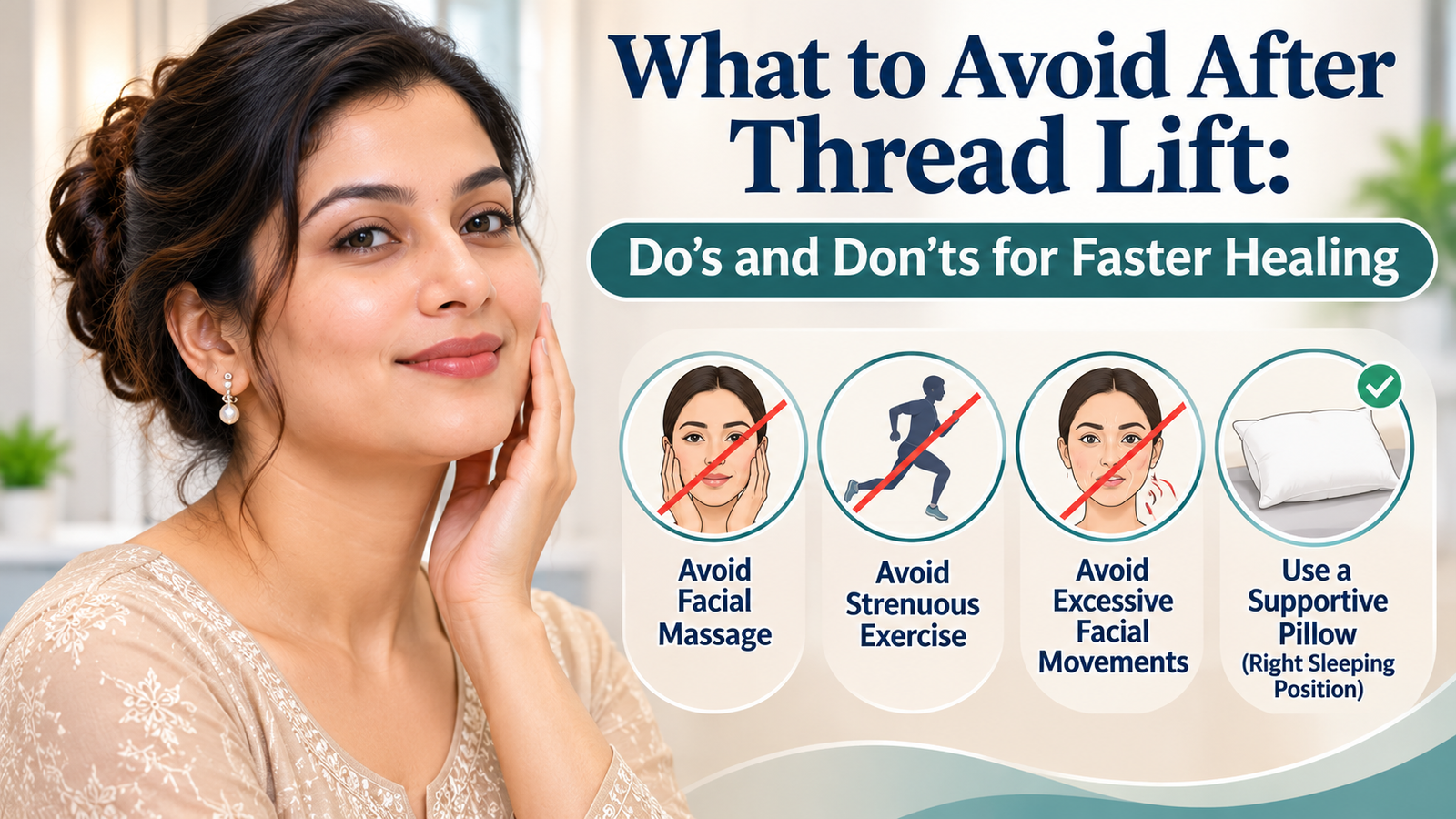
Avoid rubbing or massaging the face: Do not press, pull or massage the treated area unless your doctor specifically recommends it.
-
Avoid strenuous exercise: Running, heavy gym workouts and activities that place excessive strain on the body should be postponed as advised.
-
Avoid sleeping with pressure on the treated area: Follow your doctor's recommended sleeping position to minimise unnecessary pressure.
-
Avoid excessive facial movements: If threads have been placed around the cheeks or jawline, your doctor may advise limiting exaggerated facial movements temporarily.
-
Avoid unnecessary facial treatments: Facials, skin massages, chemical peels and other procedures should wait until your doctor confirms they are safe.
Mild swelling, bruising, tightness and tenderness can occur during early recovery. Do not attempt to correct unevenness or dimpling by massaging the area yourself.
When Can You Shower, Travel and Drive?
Returning to everyday activities depends on the treatment area, the procedure performed and how you feel afterwards.
Showering and Bathing
Ask your doctor when you can wash your face or take a shower. Gentle cleansing may be permitted, but avoid scrubbing, strong water pressure or rubbing near the thread entry points.
Hot baths, steam rooms and saunas may need to be avoided temporarily because excessive heat can worsen swelling or discomfort.
Travelling by Bus or Train
Travel may be possible after an uncomplicated procedure, but long journeys should be discussed with your doctor. Plan your journey around your comfort, scheduled review and any restrictions on physical activity.
Avoid carrying heavy luggage or placing pressure on the treated area.
Driving
Do not drive if you feel dizzy, uncomfortable or affected by medication that causes drowsiness. Resume driving only when you can turn your head and operate the vehicle comfortably and safely.
Food, Smoking and Alcohol Rules
Daily habits can influence general recovery and should be considered during the healing period.
Smoking
Avoid smoking and nicotine products during the recovery period as advised by your doctor. Nicotine can affect blood circulation and may interfere with normal wound healing.
Alcohol
Avoid alcohol during the initial recovery period if instructed. Alcohol may worsen bruising or swelling in some circumstances and can interact with prescribed medication.
Food and Hydration
Choose balanced meals with adequate protein, vegetables and fluids. If the threads were placed around the cheeks or jawline, your doctor may recommend temporarily choosing softer foods to reduce discomfort from excessive chewing.
Avoid making major dietary changes or taking supplements specifically for recovery without discussing them with your doctor.
Clothing, Garments and Sleep Position
Comfortable clothing and a suitable sleeping position can make the first few days easier.
-
Choose loose-fitting clothes that do not need to be pulled tightly over the head.
-
Avoid tight headwear or accessories that press against the treated area.
-
Sleep on your back with your head slightly elevated if recommended.
-
Avoid sleeping directly on the treated side until your doctor clears you.
-
Use clean pillowcases and avoid unnecessary contact with the entry points.
These precautions are particularly relevant when the cheeks, jawline or lower face have been treated.
Which Signs Need a Call to the Clinic?
Some temporary swelling, bruising and tenderness may be expected. However, certain symptoms require prompt medical attention.
Contact your treating doctor if you notice:
-
Increasing or severe pain.
-
Worsening redness, warmth or swelling.
-
Unusual discharge from an entry point.
-
Fever or other signs of infection.
-
Visible or protruding threads.
-
New skin discolouration or significant changes in skin appearance.
-
Persistent dimpling or unusual facial asymmetry.
Do not try to push a visible thread back into the skin or adjust it yourself. Seek medical advice promptly. Severe or rapidly worsening symptoms require urgent medical assessment.
Thread Lift in Piplod Surat: Planning Your Recovery and Follow-Up
Patients considering thread lift in piplod surat should understand the aftercare plan before scheduling the procedure. A consultation helps establish which areas will be treated, what restrictions may apply and when follow-up reviews are required.
Before treatment, discuss the following with your doctor:
-
Treatment area: Confirm whether threads will be placed around the cheeks, jawline, eyebrows or another area.
-
Recovery instructions: Ask about washing, sleeping, exercise, travel and daily activities.
-
Medication guidance: Share your current medicines and ask which medications or supplements require special attention.
-
Follow-up schedule: Confirm when the doctor wants to examine the treated area.
-
Emergency contact: Keep the clinic's contact details available in case unexpected symptoms develop.
Following a personalised recovery plan is more useful than relying on a fixed online timeline. Attend your scheduled review even if the initial result appears satisfactory.
Do's and Don'ts After Thread Lift
| Day range | Do | Don't |
|---|---|---|
| Day 0–2 | Rest and follow wound-care instructions | Rub, massage or press the treated area |
| Day 3–7 | Resume only permitted light activities | Start strenuous workouts without clearance |
| Week 2 | Follow the doctor's advice on activity and skincare | Arrange facial treatments without approval |
| Following weeks | Attend reviews and protect healing skin from excessive sun exposure | Skip follow-ups or ignore persistent symptoms |
Note: These are general planning stages, not fixed medical deadlines. Your treating doctor may recommend a different schedule depending on the procedure and recovery.
Final Thoughts
Thread lift recovery requires patience and consistent aftercare. Avoiding unnecessary pressure, strenuous activity, smoking and alcohol during the recommended period can help support the healing process.
Follow your doctor's instructions for showering, sleeping, exercise, skincare and follow-up appointments. If anything feels unusual or symptoms worsen, contact the clinic rather than trying to manage the problem yourself.