Blepharospasm Botox: Dose, Duration And Aftercare, Explained For Patients And Families
Written and medically reviewed by Dr. Ashutosh Shah, M.B.B.S., M.S., M.Ch., D.N.B., Board Certified Plastic Surgeon, Elegance Clinic.
Botox is a standard first-line treatment for benign essential blepharospasm, the condition where the eyelids squeeze shut involuntarily. Small doses are injected into the muscle around the eyes, relief usually starts within a few days and lasts about 3 months, and the dose is adjusted at each visit. Diagnosis should involve a neurologist or eye specialist.
When the eyelids keep forcing shut, reading, walking outdoors and even crossing a road become hard. Botox for blepharospasm is the treatment most patients rely on, but it works best when the diagnosis is right and the dose is tracked over time.
This guide explains the condition, who should diagnose it, how the dose is planned, how long relief lasts, and what families should watch for after each session.
પરિવાર માટે ટૂંકો સાર (Gujarati summary for families)
- બ્લેફેરોસ્પાઝમમાં બંને આંખની પાંપણો પોતાની મેળે જોરથી બંધ થઈ જાય છે. આ સામાન્ય આંખ ફરકવા કરતાં અલગ બીમારી છે.
- સારવાર પહેલાં ન્યુરોલોજિસ્ટ અથવા આંખના નિષ્ણાત દ્વારા નિદાન જરૂરી છે.
- આંખની આસપાસના સ્નાયુમાં બોટોક્સના નાના ઇન્જેક્શન આપવામાં આવે છે. રાહત સામાન્ય રીતે થોડા દિવસમાં શરૂ થાય છે અને લગભગ 3 મહિના રહે છે.
- દર મુલાકાતે ડોઝ, રાહત અને આડઅસરની નોંધ રાખો અને ડૉક્ટરને બતાવો.
- પાંપણ ઢળી પડે, બેવડું દેખાય, આંખમાં દુખાવો થાય અથવા ગળવામાં કે શ્વાસ લેવામાં તકલીફ પડે તો તરત ડૉક્ટરનો સંપર્ક કરો.
What is blepharospasm, and how is it different from an eye twitch?
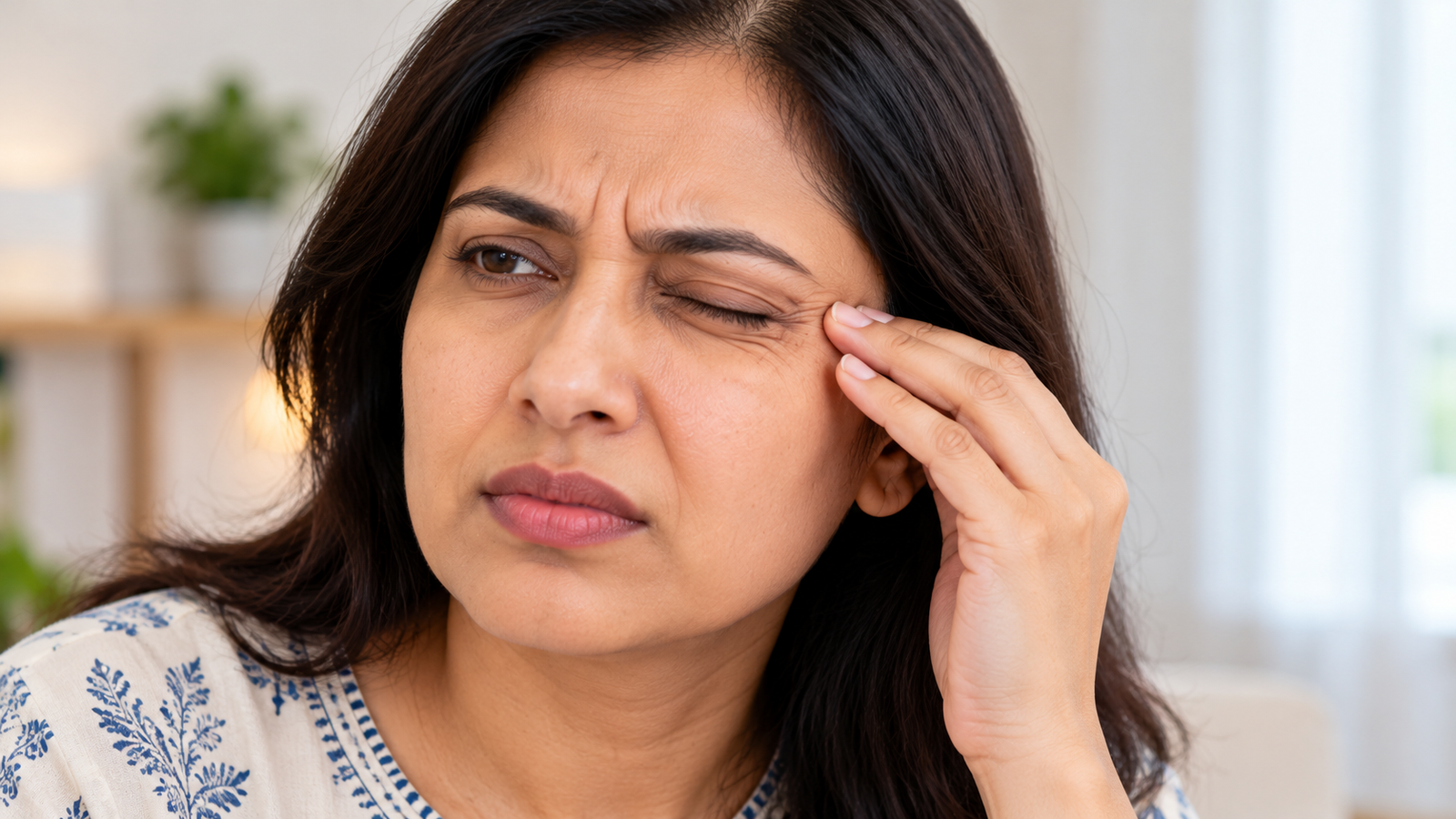
Blepharospasm is a neurological movement disorder in which the muscles around both eyes contract on their own, making the eyelids blink hard or squeeze shut. A common eye twitch is a harmless flicker of one eyelid that comes and goes.
| Feature | Common eye twitch | Blepharospasm |
|---|---|---|
| Eyes affected | Usually one eyelid | Both eyes |
| What it looks like | A fine flicker under the skin | Forceful blinking or eyelids clamping shut |
| Effect on daily life | Annoying, but vision is fine | Can make reading, driving or walking unsafe |
| Course | Settles in days or weeks; linked to stress, poor sleep, caffeine | Long-lasting and often slowly worsening |
| Usual treatment | Rest, sleep, less caffeine | Botox injections, reviewed every few months |
Spasms in blepharospasm are often worse in bright light, when tired or under stress, and may ease while talking, humming or touching the face. Spasms of one whole side of the face point to a different condition, hemifacial spasm, which also needs a specialist.
Who should diagnose it before Botox is planned? Before eye twitching treatment in Athwa
A neurologist or an ophthalmologist (eye specialist), ideally one experienced in movement disorders or eyelid problems. Eye twitching botox treatment should begin only after the diagnosis is confirmed.
Diagnosis matters because other problems can look similar:
- Dry eye or eye surface disease, which causes reflex blinking and is treated differently
- Hemifacial spasm, affecting one side of the face
- Medicine-related spasm, from some psychiatric or Parkinson's medicines
- Other neurological conditions, such as Parkinson's disease or Meige syndrome, where the lower face and jaw are also involved
Who treats blepharospasm?
Care is shared. The neurologist or eye specialist confirms the diagnosis and checks the eyes. The injecting doctor gives the Botox, tracks the response and adjusts the dose. At our clinic, Dr. Ashutosh Shah works with your neurologist or ophthalmologist on this shared-care basis, and does not start treatment without a specialist diagnosis. Our Medical and aesthetic Botox page explains the difference between medical and cosmetic uses.
How is the dose worked out and where are the injections?
The dose starts low and is adjusted at each visit according to how long relief lasted and whether side effects occurred. The figures below are from the US Botox prescribing information.
- Starting dose: 1.25 to 2.5 units at each injection site.
- Sites: the inner and outer parts of the upper eyelid muscle close to the lashes, and the outer part of the lower eyelid muscle. The centre of the upper lid is avoided, which lowers the chance of a drooping lid.
- If relief is too short: if the effect lasts less than two months, the label allows the dose to be increased, up to double.
- Per-site ceiling: the label notes little extra benefit above 5 units per site.
- Total limit: no more than 200 units in total for blepharospasm in any 30-day period.
These units apply to Botox (onabotulinumtoxinA) only. Other botulinum toxin brands use different units and are not swapped one-for-one.
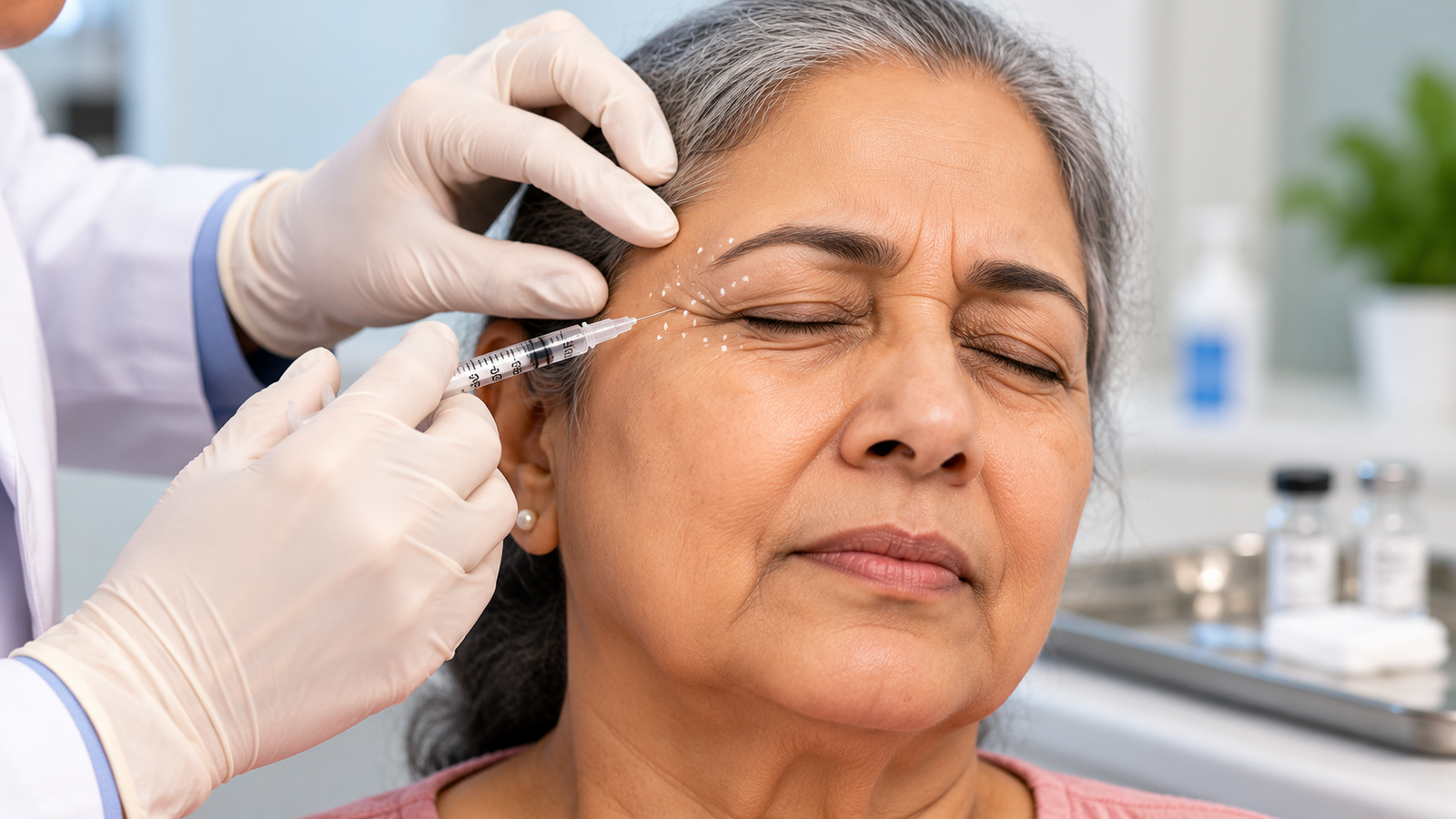
The injections use a very fine needle and take a few minutes. Some patients also need small doses around the brows or the side of the eye. Injections close to the lower eyelid are discussed on our Botox around the lower eyelids page.
Is Botox the best treatment for blepharospasm?
It is the main, first-line treatment for most patients. The 2016 American Academy of Neurology guideline rates onabotulinumtoxinA as probably safe and effective for blepharospasm and says it should be considered. Tablets help only some people, and surgery is kept for those who do not respond to injections.
How long does relief last and when is the next session due?
Relief usually starts within about three days, peaks at one to two weeks and lasts about three months, according to the prescribing information.
How long does Botox last for eyelid spasm?
About three months for most people, though it varies. How long does botox last for blepharospasm in your case is best judged from your own diary over two or three sessions.
- Next session: usually when spasms start to return, around three months after the last one.
- Not more often: the label warns that injecting more often than every three months may lead to tolerance, so the toxin works less well.
- Long term: blepharospasm rarely goes away on its own, so most people continue treatment for years.
Treatment diary. Bring this to every visit. It is the most useful tool for adjusting the dose.
| Date | Dose per site | Onset day | Peak relief | When spasms return | Side effects noticed |
|---|---|---|---|---|---|
| e.g. 5 Jan | 2.5 units, 3 sites per eye | Day 3 | Week 2 | Week 10 | Mild dry eye, settled in 2 weeks |
What aftercare and side effects should families watch for?
Most side effects are mild and settle within a few weeks. Families should know the common ones and the rare warning signs that need a doctor straight away.
Aftercare on the day:
- Do not rub or press the eyes or eyelids.
- Stay upright for about four hours; avoid bending or lying flat.
- Use lubricating eye drops as advised, and dark glasses outdoors.
- Small bumps or bruises at the sites are normal. See Swelling after Botox near the eyes for what to expect.
Common blepharospasm treatment side effects:
- A drooping upper eyelid
- Dry, gritty or watery eyes
- Reduced blinking, so the eye surface can dry out
- Sensitivity to light
- Mild eyelid swelling or bruising
Call the doctor the same day for: eye pain or redness, blurred or double vision, or an eye that cannot close fully. Reduced blinking can damage the cornea if not treated.
Seek emergency care for: difficulty swallowing, speaking or breathing, or widespread weakness. The prescribing information warns that the toxin can rarely spread beyond the injection area.
Next step: bring your neurologist or eye specialist's report and any previous treatment records to the consultation. Read more about Dr. Ashutosh Shah, or call +91 8320500350 to book.
This page is for education and is not a substitute for examination. Botox for blepharospasm must be given by a qualified doctor after a specialist diagnosis. The doses, timings and warnings quoted are from the US Botox (onabotulinumtoxinA) prescribing information and apply to that product only; your doctor sets your dose. The guideline rating is from the American Academy of Neurology (2016). Results vary between individuals.