Lip Fillers Risks and Side Effects: What Is Common and What Is Rare?
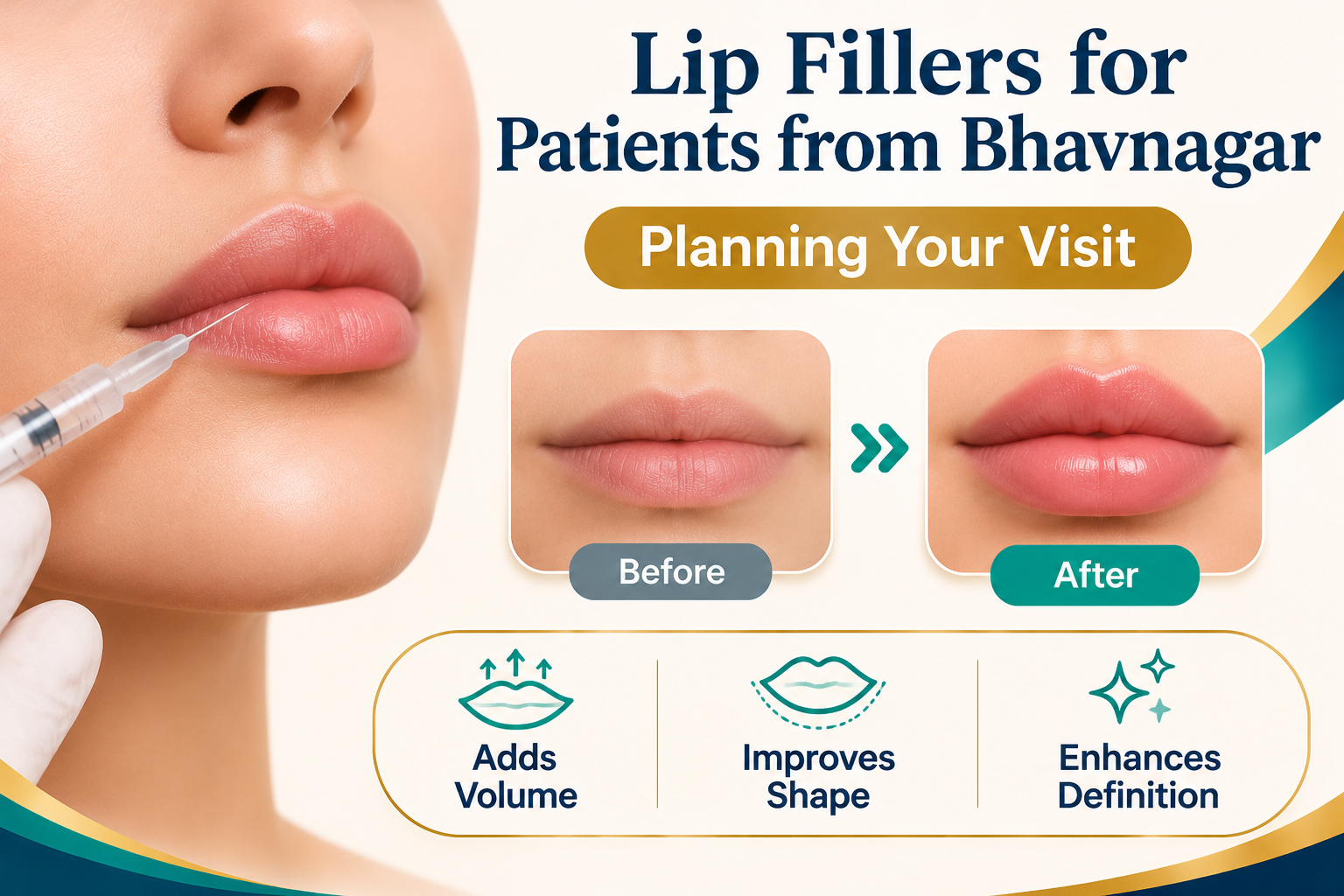
Lip fillers are a popular non-surgical treatment for improving lip volume, shape and definition. They can create fuller-looking lips, but like any injectable cosmetic procedure, they also carry potential risks and side effects.
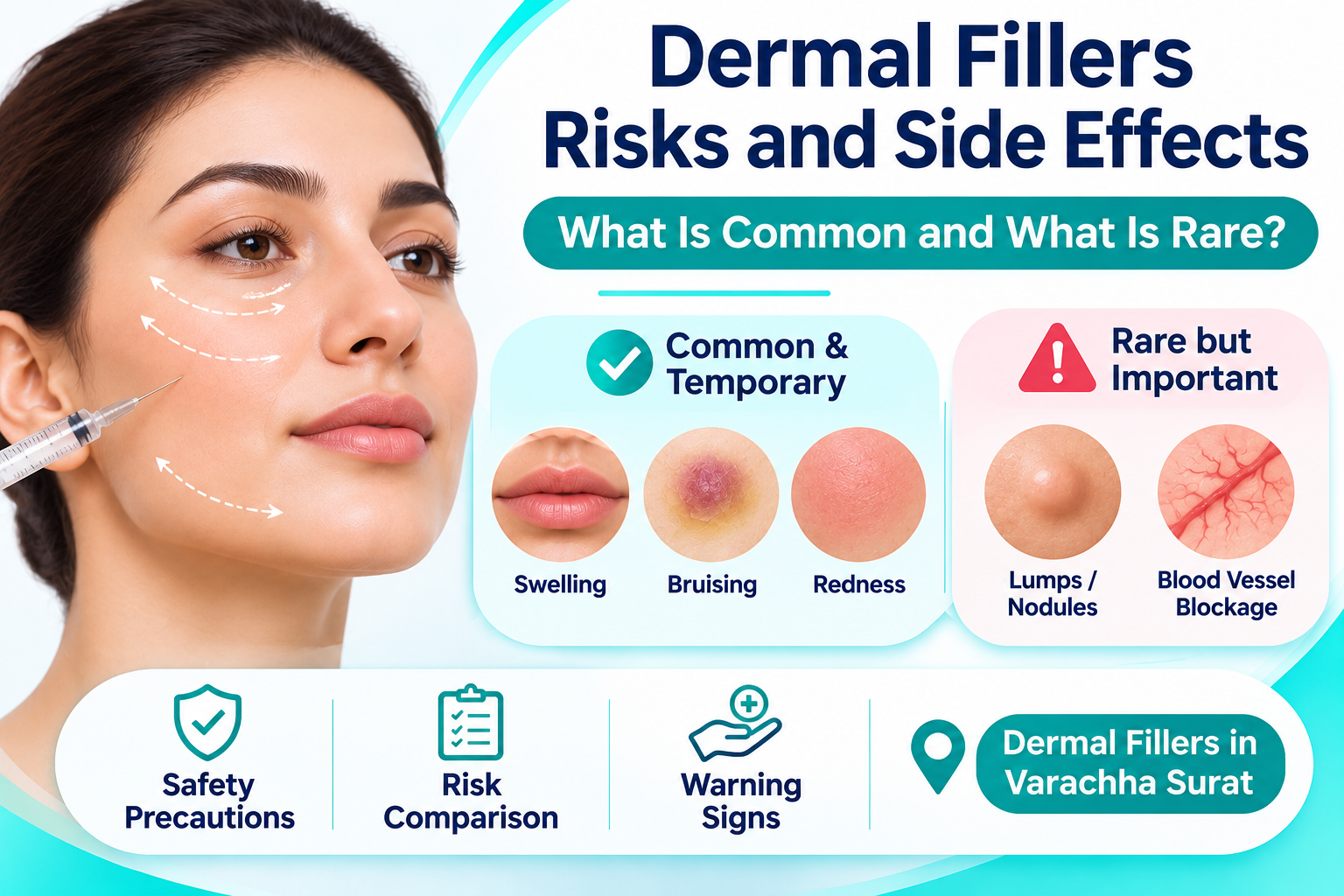
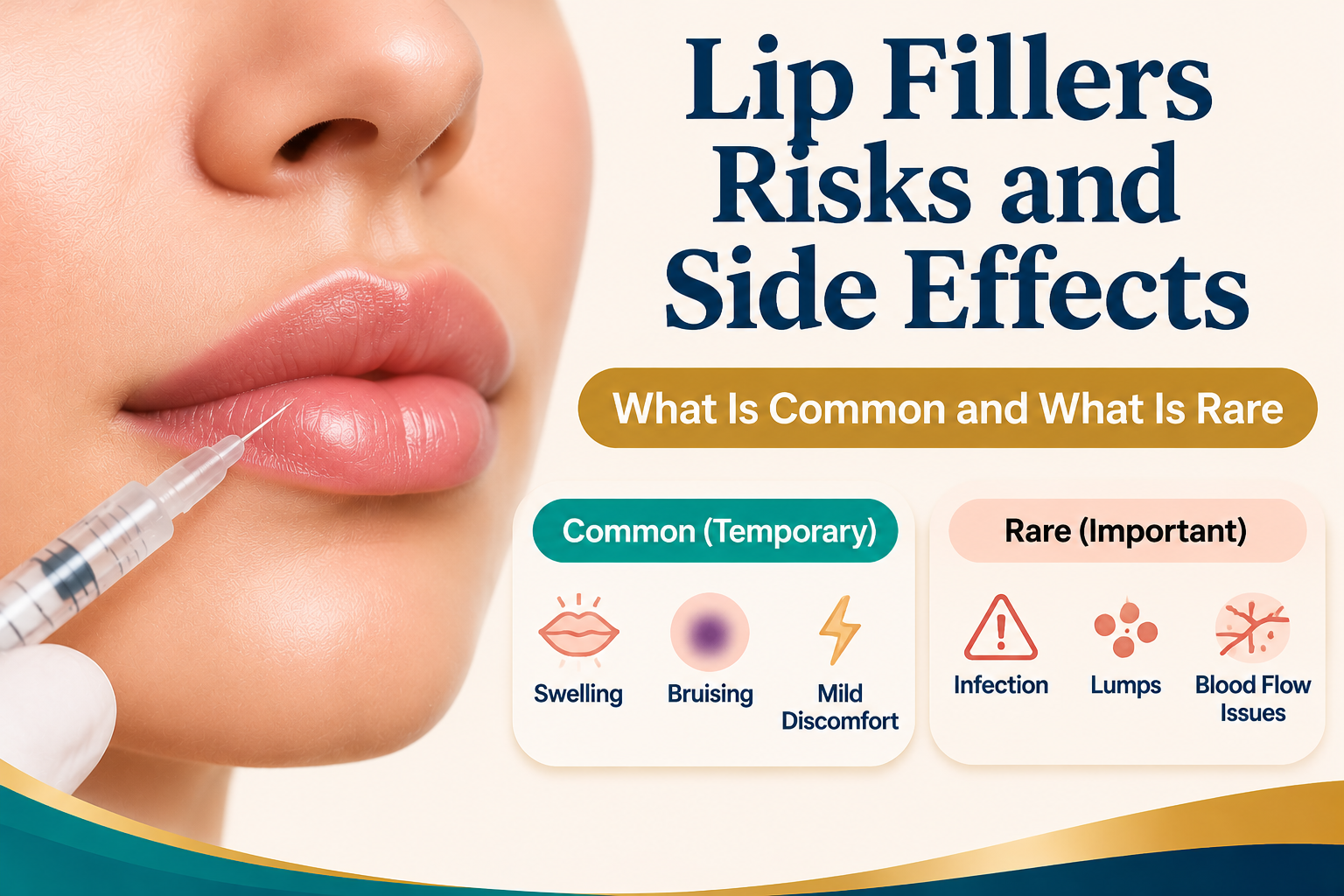
Most people experience temporary effects such as swelling, bruising, tenderness or redness after treatment. However, less common complications, including infection, allergic reactions and blocked blood vessels, also need attention.
Understanding lip fillers risks before choosing treatment can help you make an informed decision. Knowing what is normal during recovery and which symptoms require medical attention is equally important.
What Are the Common Side Effects of Lip Fillers?
Most common side effects develop shortly after the injections and gradually improve during recovery.
1. Swelling
Swelling is one of the most common reactions after lip filler treatment. The lips may appear larger than expected during the first few days.
It generally improves gradually, although recovery varies between individuals.
2. Bruising
Small bruises may develop around injection points because of minor blood vessel injury.
They usually fade naturally over several days.
3. Redness and Tenderness
The treated area may appear slightly red and feel sensitive after injections. This is generally temporary.
4. Pain or Discomfort
Mild discomfort can occur during and after treatment. The intensity varies according to individual sensitivity and the injection technique.
5. Temporary Lumps
Small irregularities may sometimes be noticeable while the filler settles.
Persistent, painful or increasing lumps should be assessed by a qualified medical professional.
What Are the Rare but Serious Complications?
Although less common, some complications require medical attention.
Infection: Bacteria entering the injection area can cause redness, increasing pain, swelling or discharge.
Allergic Reaction: Some individuals may develop an allergic response to filler ingredients.
Filler Migration: Filler may move beyond the intended treatment area, affecting the appearance of the lips.
Nodules and Granulomas: Firm lumps can develop around filler material and may require medical treatment.
Tissue Damage: Accidental injection into a blood vessel can block blood flow and damage surrounding tissue.
Vision Problems: In very rare cases, vascular complications associated with facial filler injections can affect vision and require emergency care.
Lip Fillers Risks and Side Effects: Understanding the Warning Signs
Not every side effect requires the same level of attention. The following table explains common reactions and more serious warning signs.
| Side effect | How common | What to do |
|---|---|---|
| Swelling | Common | Follow aftercare instructions |
| Bruising | Common | Monitor during recovery |
| Redness | Common | Contact provider if worsening |
| Tenderness | Common | Follow recommended care |
| Infection | Less common | Seek medical assessment |
| Allergic reaction | Less common | Contact a medical professional |
| Tissue damage | Rare but serious | Seek emergency medical care |
| Vision changes | Very rare but serious | Seek emergency medical care immediately |
When Should You Seek Immediate Medical Attention?
Certain symptoms should never be ignored after filler injections.
Watch for:
-
Severe or increasing pain
-
Unusual whitening or pale patches on the lips
-
Blue, grey or dark skin discoloration
-
Blistering or skin breakdown
-
Sudden vision changes
-
Severe allergic symptoms or difficulty breathing
These symptoms may indicate a serious complication, including vascular occlusion. Immediate medical assessment is essential.
How Are Lip Filler Risks Reduced?
Choosing the right provider and following appropriate safety procedures can help reduce the likelihood of complications.
1. Choose a Qualified Medical Professional
Treatment should be performed by an appropriately trained and licensed healthcare professional with experience in facial anatomy and injectable treatments.
2. Discuss Your Medical History
Before treatment, share information about allergies, previous filler injections, medications, cold sores and existing medical conditions.
3. Check the Filler Product
Ask about the filler brand, ingredients, packaging and suitability for lip enhancement.
4. Follow Proper Hygiene
The treatment area should be cleaned properly, and appropriate sterile techniques should be followed.
5. Understand Emergency Management
Ask whether the provider is equipped to recognise and manage complications such as vascular occlusion.
6. Follow Aftercare Instructions
Avoid unnecessary pressure on the lips and follow the recommended recovery guidelines.
Lip Fillers in Jamnagar: What Should You Check Before Treatment?
People researching lip fillers in jamnagar should understand the safety measures involved before choosing a treatment provider.
A consultation is an opportunity to discuss treatment suitability, possible side effects and expected results.
Consider checking the following:
-
The qualifications and experience of the healthcare professional
-
The authenticity and type of filler being used
-
Whether your medical history has been reviewed
-
Whether possible complications have been explained
-
Whether emergency management is available
-
Whether follow-up appointments are included
Avoid choosing a provider based only on low prices or promotional offers. Proper medical assessment and safe treatment practices should remain the priority.
What Tests and Assessments Are Needed Before Lip Fillers?
There is no single routine test required for every person considering lip fillers.
The assessment depends on individual medical history and the product being considered.
A consultation may include:
Medical History: Previous allergies, medications, medical conditions and cosmetic procedures are discussed.
Lip Examination: The natural shape, volume, symmetry and condition of the lips are assessed.
Infection Assessment: Active infections or cold sores around the treatment area may require treatment postponement.
Allergy Assessment: Relevant product ingredients and previous allergic reactions are reviewed.
Additional investigations may be recommended when medically necessary.
How Should You Care for Your Lips After Treatment?
Aftercare helps support recovery and reduce avoidable irritation.
-
Follow the provider's instructions carefully.
-
Use a cold compress if recommended.
-
Avoid unnecessary touching or pressure.
-
Avoid strenuous exercise during the initial recovery period as advised.
-
Keep the treatment area clean.
-
Attend recommended follow-up appointments.
-
Contact the provider if symptoms worsen or become unusual.
Do not attempt to massage, dissolve or correct filler yourself.
Final Thoughts
Lip fillers can improve lip volume and definition, but understanding possible side effects is an important part of making an informed decision.
Temporary swelling and bruising are common, while serious complications are less common but can have significant consequences.
Choosing a qualified healthcare professional, discussing your medical history and understanding warning signs can help you approach treatment with greater awareness.
Always prioritise medical safety over appearance or price when considering injectable treatments.
Related reading: lip and mouth treatment in Surat and Who Is a Good Candidate for Lip Fillers? A Self-Check